A week is enough to see Singapore, Kuala Lumpur and Melaka without rushing, as long as you plan the Singapore–Malaysia leg carefully. This guide gives you a day-by-day route, compares bus, train and flight, and walks through the border crossing step by step.
Fares, timetables and entry rules change often. Confirm everything on operator and official government sites before booking.
The short answer: which way to travel between Singapore and Kuala Lumpur
For most travelers on a 7-day trip, take the bus. It runs from central Singapore to central Kuala Lumpur (or Melaka) and is usually cheaper than flying. Once you add airport transfers and check-in, it can take about the same door-to-door time. The train is a good alternative if you prefer more space and fixed schedules, but it may involve a change in Johor Bahru. Flying is the fastest option on paper and the best choice if you are short on time or nervous about border queues.
The route that works best for most people:
- Singapore: 2–3 nights
- Kuala Lumpur: 3 nights
- Melaka: a day trip from KL, or one night en route
Book flights as an open-jaw ticket. Fly into Singapore and out of Kuala Lumpur (or the reverse). Doubling back by land to Singapore wastes most of a day. Check open-jaw fares when you book your international flights, because a return ticket to one city can look cheaper until you add the extra transfer.
Sample 7-day itinerary
This is a suggested structure, not a fixed plan. It works just as well in reverse, starting in Kuala Lumpur and ending in Singapore.
| Day | Base | Plan |
|---|---|---|
| 1 | Singapore | Arrive. Marina Bay, Gardens by the Bay, a hawker centre dinner |
| 2 | Singapore | Chinatown, Little India, Kampong Glam. Optionally Sentosa or a museum day |
| 3 | Travel | Bus or train to Kuala Lumpur. Alternatively, stop overnight in Melaka (see Option B) |
| 4 | Kuala Lumpur | Petronas Towers and KLCC Park, Bukit Bintang in the evening |
| 5 | Kuala Lumpur | Batu Caves in the morning, then Central Market and Chinatown (Petaling Street) |
| 6 | Melaka | Day trip or overnight: Jonker Street, St Paul's Hill, the Stadthuys and Christ Church area |
| 7 | Departure | Fly out of KLIA. Keep this day light in case of delays |
Option A (simplest): Go straight from Singapore to KL on Day 3, then visit Melaka as a day trip on Day 6. If you stay overnight in Melaka instead, check whether direct buses from Melaka to KLIA run for Day 7, which would save going back into KL.
Option B (break the journey): Take a Singapore–Melaka bus on Day 3, stay one night, and continue to KL on Day 4. This removes a day trip and suits travelers who want to see Melaka in the evening. Jonker Street's night market runs only on certain evenings, so confirm the days and hours locally before planning around it.
Note on Melaka by train: Melaka has no railway station in the historic centre. The nearest KTM station is Pulau Sebang/Tampin, which is outside the city and needs a further road transfer. For Melaka, the bus is usually the most practical choice.
Transport comparison: bus, train and flight
| Option | Operator | Typical journey time | Indicative fare | Border or airport steps | Best for |
|---|---|---|---|---|---|
| Long-distance bus, Singapore–KL | Several coach companies run this route. Compare operators and check current schedules | Several hours of driving, plus border time. Often longer at peak | Varies with operator, coach class, demand, booking window and departure time. Check operator sites for current SGD/MYR prices | Get off at the Singapore checkpoint (Woodlands or Tuas) and at the Malaysian checkpoint, taking all bags through each | Value, city-centre to city-centre travel, going straight to Melaka |
| Train via Johor Bahru | Shuttle Tebrau (Woodlands–JB Sentral) + KTM ETS (JB–KL). Check KTMB for current ETS services and timetables | The shuttle ride itself takes only a few minutes. ETS JB–KL takes several hours. Plus connection time | Check KTMB for current shuttle and ETS fares, which vary with class, direction and passenger type | Confirm the current immigration process for the shuttle with ICA and KTMB | Comfort, legroom, predictable timing |
| Flight, SIN–KUL | Several full-service and budget carriers fly this route. Check airline sites | Check airline schedules for current flight times. Allow several hours door to door including transfers and check-in | Varies sharply with carrier, demand, booking window and time of day | Airport security and immigration at both ends. Check current KLIA Ekspres times to KL Sentral | Short trips, tight schedules, avoiding land border queues |
About journey times: Bus and train durations depend heavily on immigration queues on both sides. Weekday mornings and midweek are generally smoother. Friday evenings, weekends and public holidays can add hours. For flights, budget time for getting to Changi, arriving by your airline's recommended check-in time, and the trip from KLIA into the city.
Where buses and trains cross:
- Woodlands Checkpoint / Causeway: This is the main, busiest crossing, linking Woodlands (Singapore) to central Johor Bahru. The Shuttle Tebrau train uses the Woodlands Train Checkpoint, a separate facility nearby.
- Tuas Checkpoint / Second Link: This crossing is in western Singapore, linking to Gelang Patah in Johor. Some coaches may use it, since it can be less congested.
Which crossing a bus uses depends on the operator and sometimes the day's traffic. Check your ticket or ask the operator.
The RTS Link: The Johor Bahru–Singapore RTS Link (Bukit Chagar to Woodlands North) is a new cross-border rail line under development. Once it opens, the Shuttle Tebrau is expected to be withdrawn. Neither the opening date nor the shuttle's end date is confirmed here, and projected dates for large rail projects can slip. Check the latest official announcements from Singapore's Land Transport Authority and KTMB for your travel date. Until you have confirmed it is running, plan on the existing options.
Border crossing: what to expect in 2026
Before you go
- Passport validity: Both Singapore and Malaysia have minimum passport validity requirements. Confirm the exact rule for your passport on the official sites, and check you have blank pages too.
- Singapore: Foreign visitors generally need to complete the SG Arrival Card online before arrival. Check ICA for who must submit it and the exact submission window. Use the official ICA website or the MyICA app, and avoid third-party sites that charge fees. Visa-free eligibility and permitted stay depend on your nationality.
- Malaysia: Malaysia uses the Malaysia Digital Arrival Card (MDAC) for foreign visitors. Check Malaysian Immigration for the current submission window, whether it applies to your crossing (land, air or sea), and any exemptions for your nationality. Visa-free eligibility and permitted stay depend on your nationality.
- Visa and health rules: Confirm your nationality's requirements on ICA and Malaysian Immigration, including any vaccination requirements based on where you have travelled from. Rules change, and this guide cannot cover every passport.
By bus: step by step
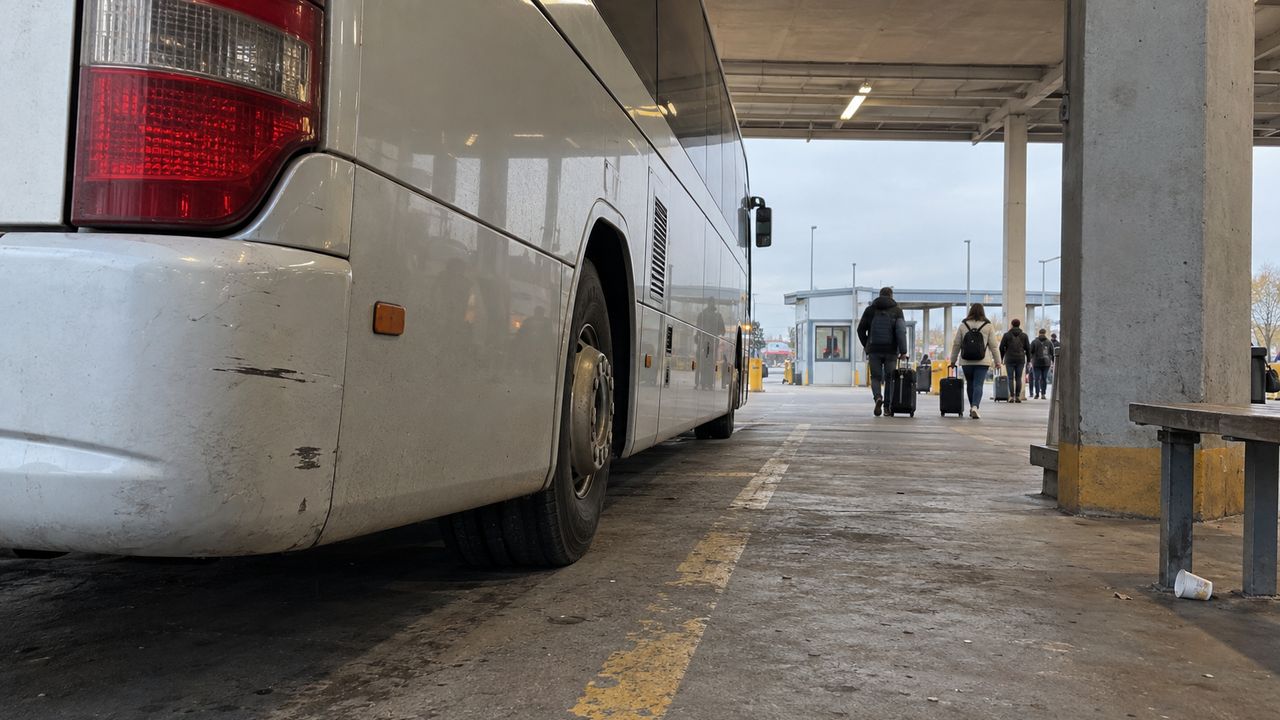
- Singapore exit (Woodlands or Tuas): Everyone gets off with their belongings and clears departure immigration. Then you rejoin your bus in the coach bay.
- Short drive across the Causeway or Second Link.
- Malaysia entry (Bangunan Sultan Iskandar in JB, or Kompleks Sultan Abu Bakar for the Second Link): You get off again, take all luggage through immigration and customs, and reboard.
Before stepping off at each checkpoint, photograph the bus number plate and note the operator name. Coaches may not wait long for slow passengers. If you miss your bus, show your ticket to the operator's staff, who may place you on a later service. This is not guaranteed.
By train: step by step
With the Shuttle Tebrau, check the current immigration process with KTMB and ICA before you travel. Leave a generous buffer between the shuttle and your ETS departure, because missed connections can mean buying a new ticket. Check KTMB's current rebooking policy.
Queues and live information
Bus and train passengers go through separate halls, and both can have long queues at peak times. Before you leave:
- Check ICA's social media and website for checkpoint traffic advisories.
- Check LTA's traffic camera feeds (via the OneMotoring website) for Woodlands and Tuas.
- Search for any announced maintenance or closures on the Causeway or Second Link around your travel date.
SIM and eSIM note for Singapore and Malaysia
Sorting out mobile data before you fly is usually easier than queuing for a SIM at arrival. It also means you have maps and messaging the moment you cross the border.
- Regional eSIM: A plan covering both Singapore and Malaysia saves you from switching SIMs at Johor Bahru. Look for one that clearly lists both countries. Check pricesAiralo eSIM →Some links may be affiliate links. DisclosurePrices vary by data allowance and validity, so compare current offers.
- Local SIMs: Buying a separate SIM in each country can be cheaper per gigabyte, but means two purchases. Prepaid SIMs may require passport registration, so check the operator's site for current rules.
- Home roaming: Check your home carrier's roaming charges for both countries before relying on it. Some carriers bundle Singapore but charge more for Malaysia, or the reverse.
- Your phone: Confirm your phone supports eSIM and is unlocked before buying.
Where to stay and book
- Hotels: Check pricesAgoda →Some links may be affiliate links. Disclosuretends to have wide coverage of guesthouses and mid-range hotels in Malaysia, andCheck pricesBooking.com →Some links may be affiliate links. Disclosureis useful for comparing flexible-cancellation rates. Checking both for the same dates is worthwhile.
- Areas to consider:
- Singapore: Bugis, Chinatown or near an MRT line, since hotels are expensive and transit is excellent.
- Kuala Lumpur: Bukit Bintang for food and nightlife, or KL Sentral for easy airport and rail links.
- Melaka: Near Jonker Street and the heritage core.
- Tickets and transfers: Check pricesKlook →Some links may be affiliate links. Disclosurelists KLIA Ekspres tickets, some cross-border bus seats and Melaka day tours. A guided Melaka day trip can be convenient if you prefer not to manage buses from KL's TBS terminal.
Practical tips and common mistakes
- Book the bus or train early. Seats can sell out around weekends and holidays. Use operator sites or the KTMB app, and compare prices with ticketing platforms.
- Carry some cash. Singapore is close to cashless, but a small amount of SGD helps. In Malaysia, ringgit is still handy at night markets, small eateries and some Melaka stalls. Cards and QR payments are widely accepted in cities.
- Get a Touch 'n Go card for KL. It is widely used on KL's public transport. Check current purchase points and card cost before you go.
- Don't plan a same-day return across the border. Queues can turn a quick hop into a full day.
- Check public holidays in both countries. Festivals such as Chinese New Year, Hari Raya Aidilfitri and Deepavali, plus school holidays, bring heavy border traffic and higher fares. Check the 2026 dates for your travel window.
- Use KL's main bus terminal for Melaka. Most Melaka buses leave from Terminal Bersepadu Selatan (TBS), reached by rail from KL Sentral. Check current journey times and fares with the operator.
- Visit Batu Caves early. Arriving in the morning helps you avoid the heat and crowds. A modest dress code applies at the temple, so cover your shoulders and knees, and check current rules on arrival.
- Confirm attraction hours. Opening hours and fees for the Petronas Twin Towers skybridge, KL Tower and Melaka museums can change. Check the official Tourism Malaysia site or the venues themselves before you go.
With an open-jaw flight, a bus or train booked a few days ahead, and a buffer on your last day, this route covers three very different cities in a week without feeling rushed.
FAQ
What is the best way to travel from Singapore to Kuala Lumpur?
For most travelers on a 7-day trip, the bus is the usual choice because it is often cheaper than flying and runs city centre to city centre. The train suits those who want more legroom and fixed schedules, and flying is fastest on paper and best if you are short on time or want to avoid land border queues.