Short version: Take the KTX to Singyeongju Station (roughly 2 hours from Seoul and roughly 30 minutes from Busan on the fastest trains; check Korail for current times). Then take a city bus or taxi into town. Stay near the bus terminals or the hanok streets around Hwangnidan-gil. Spend Day 1 at Daereungwon, Hwangnidan-gil and the lit-up sites after dark. Spend Day 2 at Bulguksa and Seokguram by bus. Winter days are short, so check 2026 winter opening hours and last-bus times before you set out.
Gyeongju works well in winter. Crowds are thinner than in cherry blossom or autumn foliage season, and the main historic sites sit close together in the centre. The night lighting also starts early because the sun sets early. The trade-offs are cold mornings, occasional ice, and less daylight for the Bulguksa trip.
Important: fares, opening hours, admission and bus route numbers in Gyeongju change regularly, and the 2026 details in this guide have not been confirmed against official sources. Treat every time, route and price mention below as approximate. Confirm on official sources before you book: VisitKorea (visitkorea.or.kr), Korail, Gyeongju City, and Naver Map or Kakao Map for buses.
Short answer: how to get to Gyeongju in winter
- Fastest: KTX from Seoul Station or Busan Station to Singyeongju Station.
- Simplest arrival point: an express or intercity bus. It drops you at the bus terminals in the city centre, a short walk from Hwangnidan-gil and Daereungwon. From Seoul it is slower than the train, but you need no transfer at the other end.
- The catch with the train: Singyeongju Station is outside the historic centre, so you need a bus or taxi transfer. Allow roughly 20-40 minutes.
Book trains on the Korail website or app (letskorail.com). Book buses on Kobus for express services or Bustago for intercity services. Winter weekends and the Lunar New Year (Seollal) holiday sell out early. Seollal is expected around 17 February in 2026, with holiday days either side. Confirm the exact holiday dates on an official Korean calendar before you plan.
Transport table: Seoul and Busan to Gyeongju (2026)
| Route | Mode | Approx. journey time | Fare | Notes on station location |
|---|---|---|---|---|
| Seoul Station → Singyeongju | KTX | Roughly 2 hours on the fastest trains; others take longer. Check Korail | Check Korail | Singyeongju is outside the centre; transfer needed |
| Seoul Express Bus Terminal (Gangnam) → Gyeongju Express Bus Terminal | Express bus | Roughly 3.5-4 hours (unconfirmed) | Check Kobus | Arrives in the city centre, walkable to Hwangnidan-gil |
| Busan Station → Singyeongju | KTX | Roughly 30 minutes. Check Korail | Check Korail | Same transfer issue as from Seoul |
| Busan → Gyeongju Intercity Bus Terminal | Intercity bus | Check Bustago | Check Bustago | Arrives in the city centre; worth comparing with the KTX |
Where to check fares: - Korail (letskorail.com) for KTX and conventional trains. - Kobus (kobus.co.kr) for express buses. - Bustago (bustago.or.kr) for intercity buses.
Other services, such as SRT from Suseo or slower Mugunghwa/ITX trains, may or may not serve Gyeongju. Check those operators directly if you are interested.
Which to choose: - From Seoul: take the KTX if time matters. Take the bus if you want to arrive downtown with no transfer. - From Busan: compare the KTX and the intercity bus. Once you add the Singyeongju transfer, door-to-door times may be similar.
Older blogs that tell you to "take the train to Gyeongju Station downtown" may be out of date. The KTX stops at Singyeongju.
Getting from the station to the centre
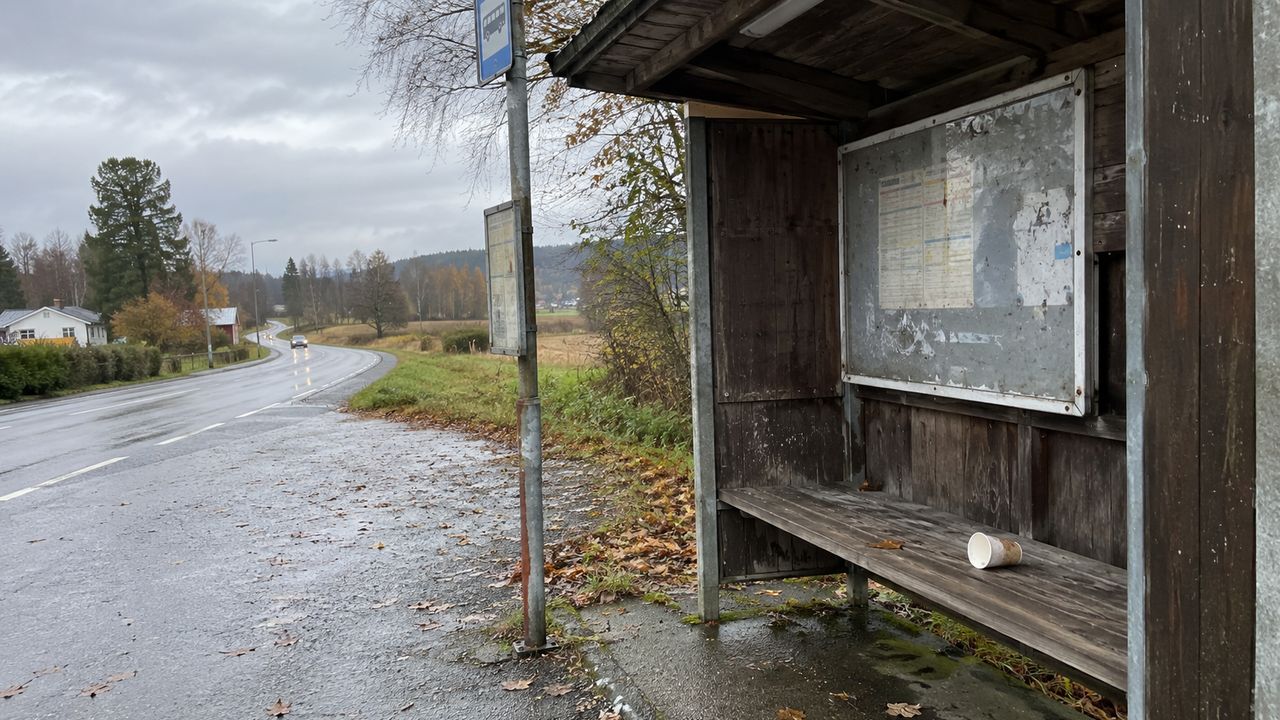
Singyeongju Station is outside the city centre. Buses and taxis are available outside the station, but winter evening queues can be long after a full KTX arrives.
| Option | Goes to | Approx. time | Approx. cost | Notes |
|---|---|---|---|---|
| City bus 70 (unconfirmed) | Gyeongju Intercity Bus Terminal / downtown | Check Naver Map | Check at the stop | Reported as a link to the hanok area and Hwangnidan-gil |
| City bus 700 (unconfirmed) | Gyeongju Express Bus Terminal, then Bulguksa | Check Naver Map | Check at the stop | Reported to link the KTX station to Bulguksa |
| Taxi | Downtown / hanok area | Roughly 15-30 minutes | Check the meter or Kakao T estimate | Kakao T app works; late-night surcharge may apply |
| Last bus from Singyeongju | Downtown | — | — | Winter 2026 last-bus times are unconfirmed; check Naver Map or Kakao Map |
Korean T-money cards generally work on city buses. Carry small notes if you pay cash.
No-car plan: city buses and bike rental
You do not need a car for this itinerary. The historic centre is walkable, and a few bus routes cover the outlying sites.
Key city bus routes (unconfirmed; verify for 2026)
| Route | Useful stops | Notes |
|---|---|---|
| 10 and 11 | Reported to run from the bus terminal area and downtown to Bulguksa | Whether they also serve Bomun or the National Museum is unconfirmed; check Naver Map |
| 700 | Singyeongju Station, Gyeongju Express Bus Terminal, Bulguksa | Reported to link the KTX station to Bulguksa |
| 12 | Bulguksa ↔ Seokguram | Reported to be infrequent; check the timetable and where the stop is at Bulguksa |
Other routes, such as 50, 60 or 61, may or may not serve Singyeongju Station. Rely on Naver Map or Kakao Map for the current options.
Apps: Google Maps transit directions are limited in Korea. Use Naver Map or Kakao Map for real-time bus arrivals and walking routes.
Bike rental
Bike rental shops have traditionally clustered near the bus terminals and around Daereungwon and Hwangnidan-gil. Operators, prices, winter hours and any public bike scheme for 2026 are unverified, so confirm a shop on Naver Map before relying on one. Some shops may close early or shut on very cold days.
Winter cycling notes: - Shaded paths, bridges and the riverside can stay icy into late morning. - Gloves matter more than a heavy coat. Wind chill on a bike is significant. - Return before dark. - Walk the bike through crowded lanes and residential alleys.
Sample no-car route
- Day 1: Arrive by bus or train. Walk Daereungwon, Hwangnidan-gil, Cheomseongdae, Gyerim Forest, Gyochon and Woljeonggyo Bridge. End with Donggung and Wolji Pond after dark. Everything is on foot, or by bike before sunset.
- Day 2: Bus to Bulguksa (check whether 10 or 11 is current). Take the Seokguram bus up and back down. Return by bus or taxi to the centre, or to Singyeongju for the train.
Day 1: Daereungwon and Hwangnidan-gil
Daereungwon tomb complex
Daereungwon is a park of grassy burial mounds from the Silla kingdom, right in the centre of town. The highlight is Cheonmachong, the one tomb you can enter. Inside is a display of the tomb's structure and replicas of finds, including the painted saddle flap that gives the tomb its name. In winter the mounds turn brown, which suits photos of their shapes against a clear sky. Early mornings can be frosty.
| Daereungwon (2026) | Details |
|---|---|
| Opening hours | Not confirmed from an official source; third-party listings give evening closing times. Check winter hours |
| Admission | Not confirmed. Listings conflict on whether the whole complex is charged or only Cheonmachong. Check at the gate or on official pages |
| Time needed | 45-90 minutes |
| Getting there | Walkable from the bus terminals; check the distance on Naver Map |
Hwangnidan-gil
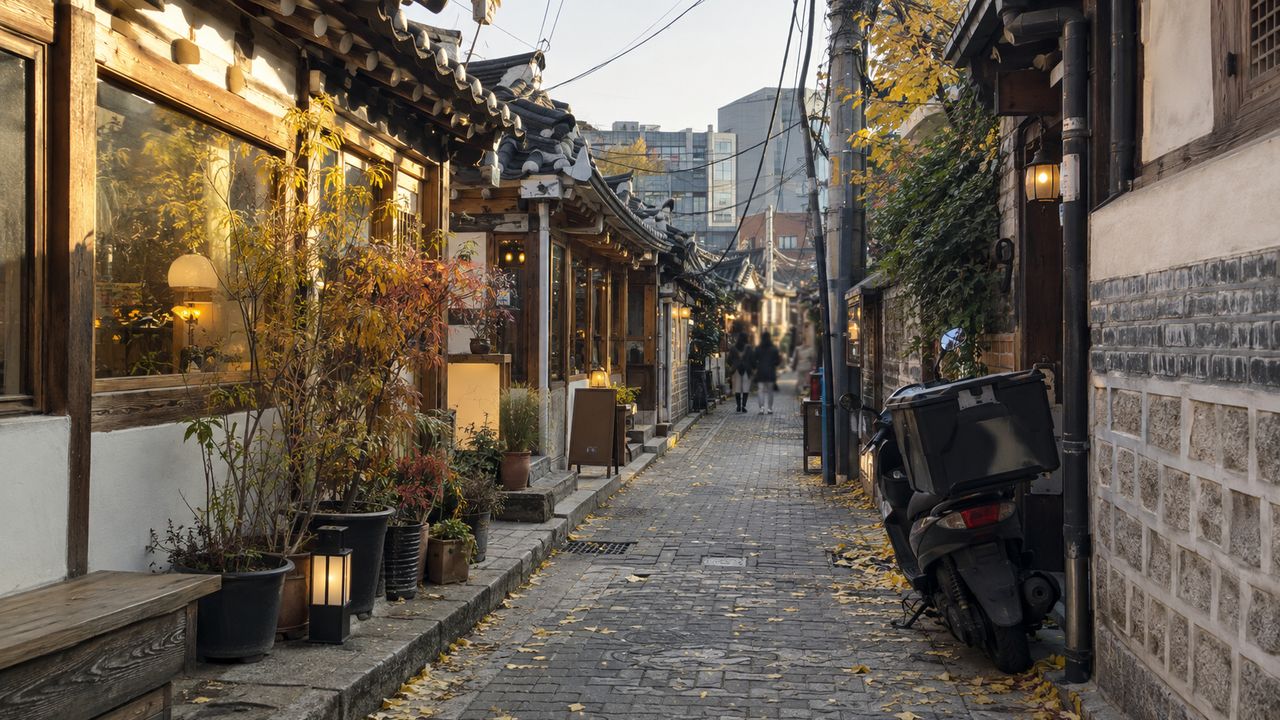
Hwangnidan-gil runs along the west side of Daereungwon, in Hwangnam-dong. It is a street of cafes, bakeries, small restaurants and shops, many in converted hanok buildings. Gyeongju bread, a small red-bean pastry, is sold all along it. The street is busiest on weekend afternoons. Weekday mornings in winter are much calmer.
The main street is commercial, but the lanes behind it are homes. Hwangnam-dong is a residential neighbourhood, and people live in the narrow alleys branching off the main strip. The same goes for the hillside villages and old alleys elsewhere in Gyeongju. They are lived-in neighbourhoods, not attractions. If you wander off the main street:
- Keep your voice down, and avoid playing music or video calls in the lanes.
- Do not photograph residents, and do not point cameras through gates, windows or into courtyards.
- Avoid the residential lanes in the late evening. Stick to the main street and the lit heritage sites after dark.
- Do not sit on doorsteps, lean on walls or leave rubbish.
- Respect any "private residence" or "no entry" signs you see.
Afternoon: Cheomseongdae to Gyochon
From Hwangnidan-gil, walk south past Cheomseongdae, a 7th-century stone observatory. Continue through Gyerim Forest to Gyochon Hanok Village and Woljeonggyo, a reconstructed covered bridge over the stream. The route is flat and takes roughly 20-30 minutes without stops.
Gyochon also has residents. The same etiquette applies there.
If it is very cold, the Gyeongju National Museum, east of the Wolseong area, makes a good indoor stop before Donggung. It is known for its Silla gold crowns and the Divine Bell of King Seongdeok. Its winter hours and admission are unverified, so check before you go.
Night views in Gyeongju
Winter sunsets in Gyeongju come early. You can see the main sites lit up and still be back for dinner at a reasonable hour. Check the exact sunset time for your dates.
| Night-view spot (2026) | Lighting / hours | Admission | Notes |
|---|---|---|---|
| Woljeonggyo Bridge | Lighting hours not verified; check locally | Not verified | Good reflections on the stream if the wind is calm |
| Cheomseongdae area | Lighting hours not verified; check locally | Not verified | Open grounds; close to Daereungwon |
| Donggung Palace and Wolji Pond | Hours not confirmed from an official source; third-party listings show evening opening. Check | Not confirmed; listings conflict between a small fee and free | The classic night view: pavilions reflected in the pond. Best 30-60 minutes after sunset |
Suggested order: Woljeonggyo at blue hour, then Cheomseongdae, then Donggung and Wolji Pond. Woljeonggyo is where the afternoon walk ends. Cheomseongdae is a short walk north of it, and Donggung is a short walk east of Cheomseongdae. Take a taxi or walk back to the centre afterwards.
Reminder: The heritage sites are public spaces built for evening visits. The hanok alleys around them are not. After dark, use the main roads between sites rather than cutting through residential lanes, and keep voices low near homes.
Day 2: Bulguksa and Seokguram
Bulguksa
Bulguksa is an 8th-century Silla temple on the slopes of Tohamsan. It shares a UNESCO World Heritage listing with Seokguram. Look for the stone stairways and bridges at the front, and the two pagodas, Dabotap and Seokgatap, in the main courtyard. In winter there are fewer tour groups. The stone steps can be slippery in the shade, so wear shoes with grip.
| Bulguksa (2026) | Details |
|---|---|
| Winter opening hours | Not confirmed from an official source; listings differ. Check before you go |
| Admission | Not confirmed. Sources conflict on whether it is free or charged. Check at the ticket booth or on the temple's site |
| Time needed | 1-1.5 hours |
| Bus from centre | Reported to be bus 10 or 11, roughly 40-50 minutes (unconfirmed) |
Seokguram Grotto
Seokguram is a granite grotto housing a seated Buddha, higher up the mountain. Check the current photography rules for inside the grotto before you go. From the bus stop or car park you walk along a forest path, which can be icy in winter.
| Seokguram (2026) | Details |
|---|---|
| Winter opening hours | Not verified; check before you go |
| Admission | Not verified; check before you go |
| Access | Bus 12 from Bulguksa has been reported; frequency and winter timetable are unconfirmed, so check |
| Road closures | The mountain road may close after snow or ice; check conditions on the day |
Order of visit: consider taking the bus up to Seokguram first in the morning, then coming back down to visit Bulguksa. The Bulguksa-to-Seokguram bus is reported to run less often than the town buses. The mountain is also more likely to be icy later in the day.
Getting back
- To the centre: bus from the Bulguksa stop, or a taxi.
- Straight to the KTX: reportedly bus 700 from Bulguksa to Singyeongju, or a taxi.
- Last buses: winter last-departure times from Bulguksa, Seokguram and the Bomun area are unconfirmed. Check Naver Map or the stop, and leave a buffer of at least an hour before your train.
Where to stay in the hanok area
For a two-day trip without a car, stay in the centre: near the bus terminals, around Hwangnidan-gil, or close to Gyochon. Everything on Day 1 is then walkable, and Day 2 buses start nearby. Bomun Lake has larger resort hotels, but from there you rely on buses or taxis for everything.
| Option | Pros in winter | Cons in winter |
|---|---|---|
| Hanok guesthouse (Hwangnam-dong, Gyochon area) | Ondol heated floors are warm to sleep on; atmosphere; walkable to night views | Can be draughty; some have shared or outdoor-access bathrooms; sleeping on floor bedding; strict quiet hours because neighbours are residents |
| Modern hotel near the bus terminals | Central heating, private bathrooms, easy luggage handling; close to buses | Less character; some are plain business hotels |
| Bomun Lake resort hotel | Larger rooms, onsite restaurants, some with spas | Not walkable to the centre; more bus or taxi time |
When booking a hanok, check the listing for: - whether the bathroom is private and inside the room, - check-in times (some small guesthouses have no 24-hour desk), - quiet hours and rules about noise in the courtyard.
You can compare hanok-area and central stays on
As a guest in a residential hanok neighbourhood, follow the same etiquette as in the lanes. Come back quietly at night and keep courtyard conversations low.
Winter checklist
Before you go (for your exact 2026 dates): - [ ] Check winter opening hours and last entry on official Gyeongju City or heritage pages for: - Daereungwon - Donggung and Wolji Pond - Bulguksa - Seokguram - the National Museum - [ ] Check last-bus times from Singyeongju, Bulguksa, Seokguram and the Bomun area. - [ ] Book KTX or bus tickets early if travelling at a weekend or around Seollal (expected mid-February in 2026; confirm the dates). - [ ] If you plan to cycle, confirm that a rental shop is open in winter and check its closing time. - [ ] Check the sunset time and the forecast on the Korea Meteorological Administration site or a weather app. Watch especially for snow or ice that could close the Seokguram road.
Packing: - [ ] Warm layers, gloves, hat. Nights can fall below freezing. - [ ] Shoes with good grip for stone steps and shaded paths. - [ ] A T-money card loaded with credit for buses. - [ ] Hand warmers. Convenience stores in Korea sell them in winter.
Connectivity: - [ ] Mobile data is the most useful thing you can have on this trip. You need it for Naver Map or Kakao Map and real-time bus arrivals, because paper timetables at stops are mostly in Korean. If you do not already have Korean data, an eSIM is the simplest option:
On the ground: - [ ] Remember that the alleys and hillside neighbourhoods around the sights are homes. Keep quiet, do not photograph residents or into homes, and stay on the main streets late in the evening.
FAQ
How do I get from Seoul or Busan to Gyeongju in winter?
Take the KTX to Singyeongju Station, which is outside the centre, then a city bus or taxi into town (roughly 20-40 minutes). Alternatively, take an express or intercity bus that arrives at the city-centre bus terminals. Check fares and times on Korail, Kobus or Bustago, as the guide's 2026 figures are unconfirmed.
Can I visit Gyeongju without a car?
Yes. The historic centre around Daereungwon, Hwangnidan-gil and Donggung is walkable, and city buses cover Bulguksa and Seokguram. Route numbers and winter last-bus times are unverified, so confirm them on Naver Map or Kakao Map before you set out.
Are the hanok alleys in Gyeongju open to visitors?
The main streets and heritage sites are public, but the alleys behind them are residential homes. Keep your voice down, do not photograph residents or into homes, avoid residential lanes late in the evening, and respect any private or no-entry signs.