Short answer: For most travelers the best order is Taipei → Seoul → Tokyo, or the same route in reverse. It skips the longest of the three city pairs (Taipei–Tokyo) and involves no backtracking. Book it as an open-jaw ticket (fly into one end, home from the other) plus two short regional flights. Before you pay, check each country's entry rules for your own passport.
This guide covers:
- the three possible route orders
- winter weather in each city
- the entry rules to check for December 2026 to February 2027
It is a researched guide, not a trip report. Flight times, fares and entry rules change, so confirm everything on official sites when you book.
Quick answer: which route order to choose
- Recommended: Taipei → Seoul → Tokyo if you can fly into Taipei and home from Tokyo. Use Tokyo → Seoul → Taipei if the fares work better the other way around.
- Why: On a map the three cities sit roughly in a line, with Seoul in the middle. This order uses the two shorter pairs (Taipei–Seoul and Seoul–Tokyo) and never flies the longest one, Taipei–Tokyo.
- Open-jaw: Flying into one city and out of another means you don't have to return to your starting point. For three cities this is often the cheapest and simplest structure, but not always. Price an open-jaw against a round trip to one hub plus regional flights, from your own departure airport and for your own dates.
Tiebreaker rule: Fly into the city farthest from your home airport and home from the nearest one, so your last flight is the shortest. Your total long-haul flying time stays about the same either way. In practice, the price and nonstop availability from your home airport usually decide which end you start from.
The three route orders compared
- Order A: Taipei → Seoul → Tokyo (Taipei–Seoul + Seoul–Tokyo)
- Order B: Seoul → Tokyo → Taipei (Seoul–Tokyo + Tokyo–Taipei)
- Order C: Tokyo → Taipei → Seoul (Tokyo–Taipei + Taipei–Seoul)
Each city has two airports, and one of them is much closer to the center:
| City | Main international airport | City-center airport |
|---|---|---|
| Taipei | Taoyuan (TPE) | Songshan (TSA) |
| Seoul | Incheon (ICN) | Gimpo (GMP) |
| Tokyo | Narita (NRT) | Haneda (HND) |
The city-airport pairs (TSA–GMP, GMP–HND, TSA–HND) usually have fewer flights. They can cut transfer time noticeably, though, so check whether one fits your dates.
Regional flight legs (check current schedules)
| Leg | Airport pairs | Flight time |
|---|---|---|
| Taipei ↔ Seoul | TPE–ICN, TSA–GMP | Short regional hop; check your airline's schedule |
| Seoul ↔ Tokyo | ICN–NRT, ICN–HND, GMP–HND | Short regional hop; check your airline's schedule |
| Taipei ↔ Tokyo | TPE–NRT, TPE–HND, TSA–HND | The longest of the three pairs; check your airline's schedule |
Exact durations and the airlines flying each route this winter are not listed here, because they change. Look both up on a current airline or flight search site for your dates. Korean Air and Asiana are being integrated, so operators, flight codes and booking pages on Seoul routes may change. Check the airlines' own announcements. Winter winds can make westbound flights somewhat longer.
Getting from each airport to the city
Times, fares and first and last trains change, so check them on each operator's official site before you travel.
| Airport | Fastest common rail option | Official info |
|---|---|---|
| Taoyuan (TPE) | Taoyuan Airport MRT express to Taipei Main Station | Taoyuan Metro |
| Songshan (TSA) | Taipei Metro Wenhu (Brown) Line | Taipei Metro |
| Incheon (ICN) | AREX Express to Seoul Station | AREX |
| Gimpo (GMP) | AREX all-stop or Seoul Metro Line 5/9 | AREX |
| Narita (NRT) | Keisei Skyliner to Nippori/Ueno, or JR Narita Express (N'EX) to Tokyo Station | Keisei, JR East |
| Haneda (HND) | Keikyu Line or Tokyo Monorail | Keikyu, Tokyo Monorail |
If you land late, last trains matter more than fares, especially at Incheon and Narita. Discounted Skyliner and AREX tickets are sold through
Regional legs per order
| Order | Regional legs |
|---|---|
| A: Taipei → Seoul → Tokyo | TPE/TSA–ICN/GMP, ICN/GMP–NRT/HND |
| B: Seoul → Tokyo → Taipei | ICN/GMP–NRT/HND, NRT/HND–TPE/TSA |
| C: Tokyo → Taipei → Seoul | NRT/HND–TPE/TSA, TPE/TSA–ICN/GMP |
Order A and its reverse skip the Tokyo–Taipei leg, the longest of the three pairs, so they should save travel time compared with B or C. Door-to-door totals depend on your actual flights and airports, so work them out once you have schedules. Leave time for airport check-in and for immigration and baggage on arrival.
About fares: This post does not list fare ranges. Regional and long-haul prices vary a lot by month, day of week and departure airport. Compare these two options for your exact dates:
- An open-jaw long-haul ticket plus two regional one-ways.
- A round trip to one hub plus regional flights.
Add checked-bag fees when you compare low-cost carriers.
Winter weather in each city (December to February)
For temperature, rainfall and snow figures, look up the climate normals on each national weather agency's site and note which years the data covers.
| City | Winter character | Source to check |
|---|---|---|
| Taipei | Mild but often damp, grey and drizzly; cool nights | Central Weather Administration |
| Seoul | Cold and dry; nights often below freezing; snow possible; cold snaps can be much colder | Korea Meteorological Administration |
| Tokyo | Cool, often sunny and dry; occasional cold snaps; snow uncommon | Japan Meteorological Agency |
How weather affects route order. This is a trade-off, not a rule:
- Seoul last (Taipei → Tokyo → Seoul, or Order C): If you buy or bring heavy layers only for the end, you carry them for less of the trip. On the other hand, you arrive at the coldest city when you are most tired.
- Seoul in the middle (Order A): You go from mild Taipei into the cold, then back to milder Tokyo. You'll need warm gear for most of the trip anyway, but you adjust gradually.
- Taipei's damp cold feels cooler than the numbers suggest, and many older buildings have limited heating. A light waterproof layer helps more than a heavy coat there.
Daylight. Days are short in late December and January. Seoul and Tokyo share a time zone, but Seoul lies farther west, so its mornings stay dark later. Tokyo gets dark in the late afternoon in December. Plan outdoor sightseeing early, and save museums, markets and food halls for the evening. Check exact sunrise and sunset times for your dates on a sunrise/sunset calculator or a national weather agency site.
Entry requirements by country (check for 2026–27)
Entry rules depend on your passport, and they have changed several times since 2023. Confirm each country's rules on its official site on the day you book. Visa-free stay lengths differ by country and passport. Many Western passports have historically been visa-free in all three countries for short tourist stays. Check the exact stay length for your passport with each government.
Taiwan
Many Western and Asian passports get visa-free entry. Some nationalities get shorter visa-free stays or must apply in advance. Taiwan has introduced an online arrival card (TWAC) that travelers complete before arrival. Check who must fill it in and when on the official TWAC site. Verify visa rules with the Bureau of Consular Affairs and the National Immigration Agency.
South Korea
Visa-waiver nationals normally need a K-ETA, an online travel authorization. Korea has temporarily exempted travelers from a list of countries, including the US. Secondary reports say the current exemption runs until 31 December 2026. If your trip crosses into 2027, check the official K-ETA portal to see whether the exemption has been extended or whether you need a K-ETA.
Exempt travelers can still apply for a K-ETA voluntarily, and a fee applies if they do. Check the following on the official portal:
- the list of exempt countries
- the fee
- the validity period
Korea has also introduced an online e-Arrival Card, with some exceptions. Check whether you need it, and when to submit it, on the official e-Arrival Card site. Apply only through the official sites. Third-party sites charge extra.
Japan
Most Western passports are visa-exempt for short tourist stays. Visit Japan Web lets you pre-register immigration and customs details and generate QR codes for arrival. It has historically been recommended rather than mandatory. Confirm its current status, and any fee, on the official site when you book.
Japan has also announced plans for an electronic travel authorization (JESTA). Check government announcements to see whether it applies to your dates. Verify all rules with the Ministry of Foreign Affairs of Japan and the Immigration Services Agency.
Passport validity and multi-country routes
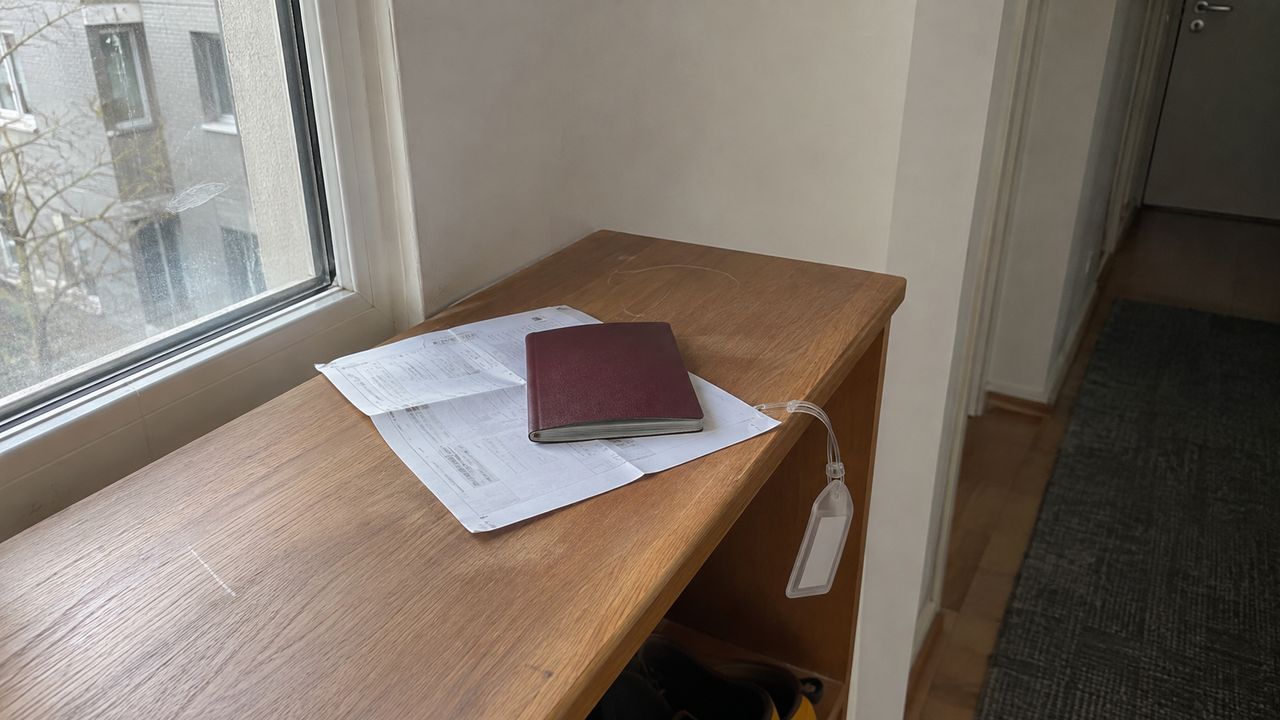
- Passport validity: Rules differ by country, so check each one on its official site. Airlines may apply stricter rules at check-in. Having at least six months' validity left is a sensible precaution, but it is not a substitute for checking the actual requirements.
- Each entry is separate. Visiting three countries in one trip does not change any country's rules. Your Korean stay limit, for example, counts only days spent in Korea.
- Third-country connections: A regional flight might connect through another country, such as a Taipei–Tokyo itinerary via Hong Kong or Shanghai. If so, check that country's transit rules too. If you leave and re-enter Taiwan, Korea or Japan more than once, check that your authorization covers multiple entries.
- Onward ticket: Immigration in all three countries may ask for proof of onward travel. With an open-jaw ticket and booked regional flights, you'll have it.
Practical tips for a three-week winter trip
Moving between cities: flying is the practical option
There is no rail or road link between Taiwan, Korea and Japan, so the transport tables above cover airport transfers rather than intercity trains. The only surface alternative has been the ferry between Busan and Fukuoka. You would take the KTX from Seoul to Busan, cross by sea, then continue by shinkansen from Fukuoka to Tokyo. This is much slower than flying, and winter seas can be rough. It only makes sense if you also want to see Busan and Kyushu. Check current sailings, train times and fares with the operators.
Split your time
About six days per city plus a buffer day works for 21 days. Winter delays do happen, from snow at the Seoul or Tokyo airports to fog in Taipei. Don't book the long-haul flight home on the same day as a regional flight.
Watch holiday dates
- Japan: Many museums, government offices and some restaurants close for several days around New Year. Check opening days for the places you plan to visit. Trains and shrines are packed at this time.
- Korea and Taiwan: Lunar New Year falls on 6 February 2027. For the official public-holiday dates in each country, check the Korean and Taiwanese government holiday calendars. Expect closures, sold-out trains and higher fares around these dates.
If your trip overlaps these dates, book transport early.
Pack for weight
Winter clothing is heavy. Book fares that include a checked bag, or add its cost when you compare fares. Low-cost carriers on these routes often have strict limits on cabin and checked-bag weight, and allowances change, so check each airline's current rules.
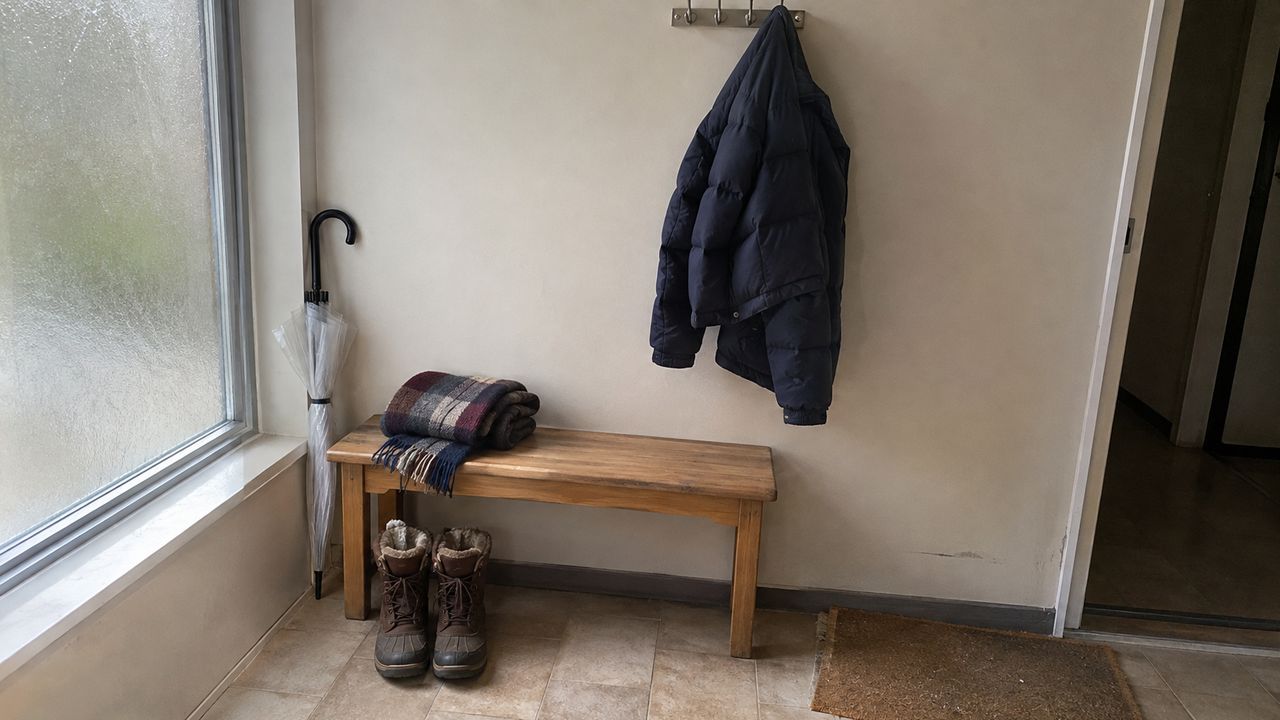
A layering system handles both Seoul's cold and Taipei's damp better than one heavy coat:
- thermal base layer
- fleece
- packable down jacket
- waterproof shell
Accommodation and data
- Accommodation: For flexible winter plans, refundable rates are worth a small premium. Compare on Check pricesBooking.com →Some links may be affiliate links. DisclosureorCheck pricesAgoda →Some links may be affiliate links. Disclosure. Staying near Taipei Main Station, Seoul Station or a Skyliner or Keikyu stop makes departure days easier.
- Mobile data: A multi-country eSIM covering Taiwan, Korea and Japan saves buying three SIMs. You can set it up before you fly so it works as soon as you land. See Check pricesAiralo eSIM →Some links may be affiliate links. Disclosure, and check that your phone supports eSIM and is unlocked.
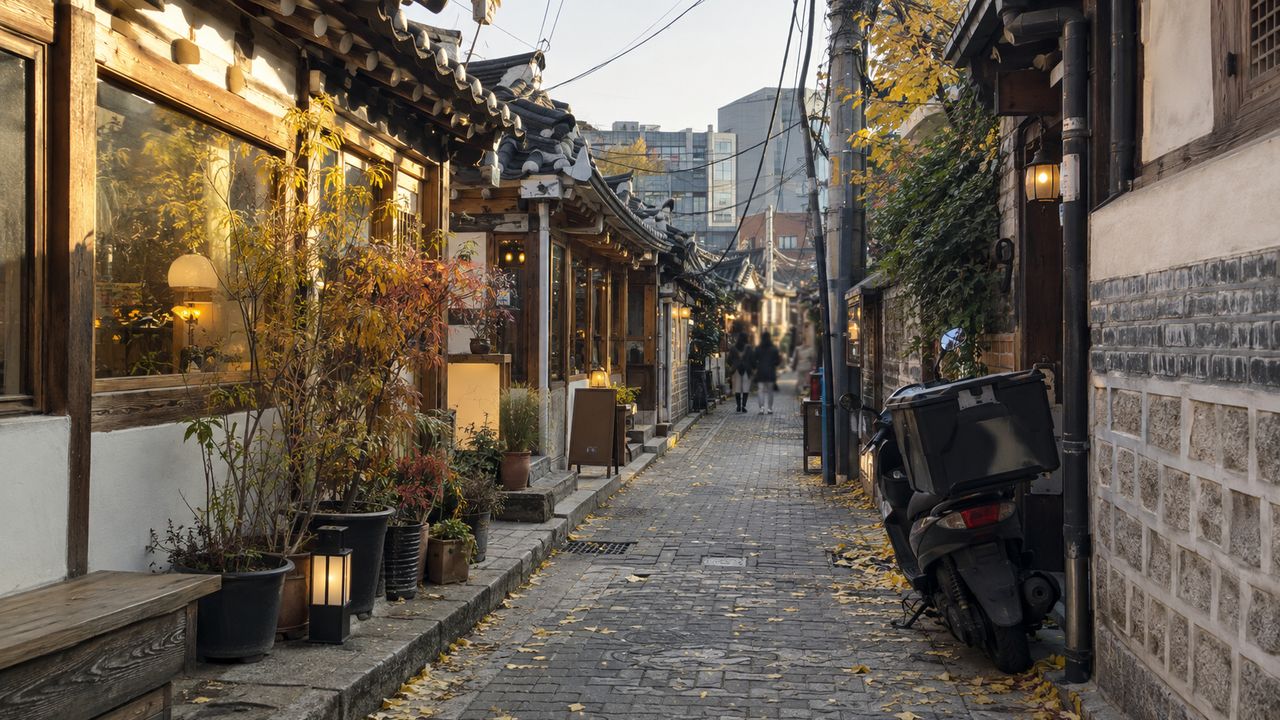
Seoul's hillside villages and old alleys
Places like Ihwa Mural Village, Bukchon Hanok Village and Seoul's other hillside neighborhoods (dal-dongne) are people's homes, not attractions. If you visit:
- Keep your voice low.
- Do not photograph residents or point cameras into windows, doorways or courtyards.
- Don't sit on steps or walls outside houses.
- Avoid visiting late in the evening.
Parts of Bukchon have had visiting-hour restrictions for tourists. Check the current rules with the Seoul city government or the Jongno-gu district office before you go. It gets dark early in winter, so late morning is a good time to visit.
Booking checklist
- Price an open-jaw (into Taipei and out of Tokyo, or the reverse) against a round trip plus regional flights, for your exact dates.
- Prefer Order A or its reverse, and check whether TSA–GMP or GMP–HND flights fit your plans.
- Confirm the entry rules for each country with your passport:
- Taiwan: the online arrival card.
- Korea: the e-Arrival Card and the K-ETA. Check whether the exemption covers your dates, especially in 2027.
- Japan: the visa exemption and Visit Japan Web.
- Check the passport validity rules for each country.
- Add buffer days, and check the New Year and Lunar New Year dates.
- Check baggage allowances before choosing low-cost carriers.
This guide covers winter 2026–27 and was compiled in November 2026. Entry rules and transport details change, so recheck official sites before booking.
FAQ
Which route order should I choose for Taipei, Seoul and Tokyo?
Taipei → Seoul → Tokyo, or the reverse, is recommended because it uses the two shorter city pairs and avoids the longest one, Taipei–Tokyo. Compare fares from your own departure airport first.
Do I need a K-ETA for South Korea in winter 2026-27?
Visa-waiver nationals normally need a K-ETA. A temporary exemption for some countries, including the US, reportedly runs until 31 December 2026, so check the official K-ETA portal for your nationality and dates before you book.
Is Visit Japan Web mandatory?
It has historically been recommended rather than mandatory. Confirm its current status and any fee on the official site when you book, since rules can change.