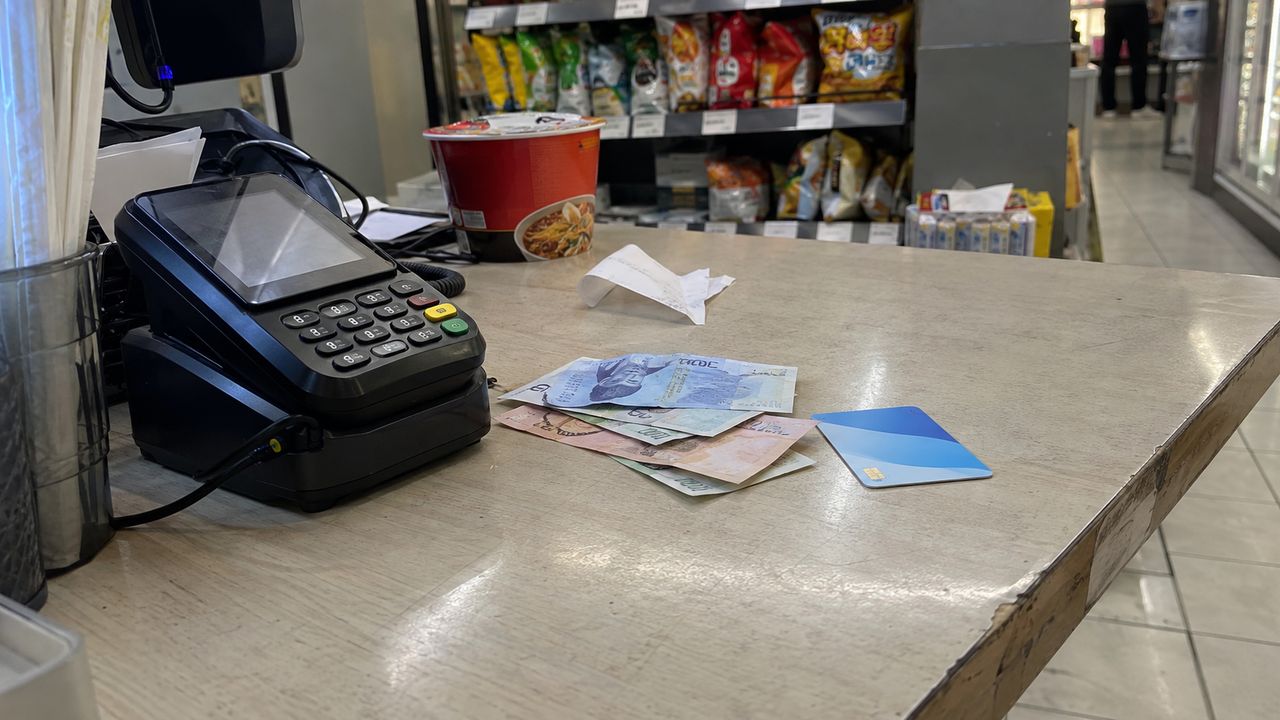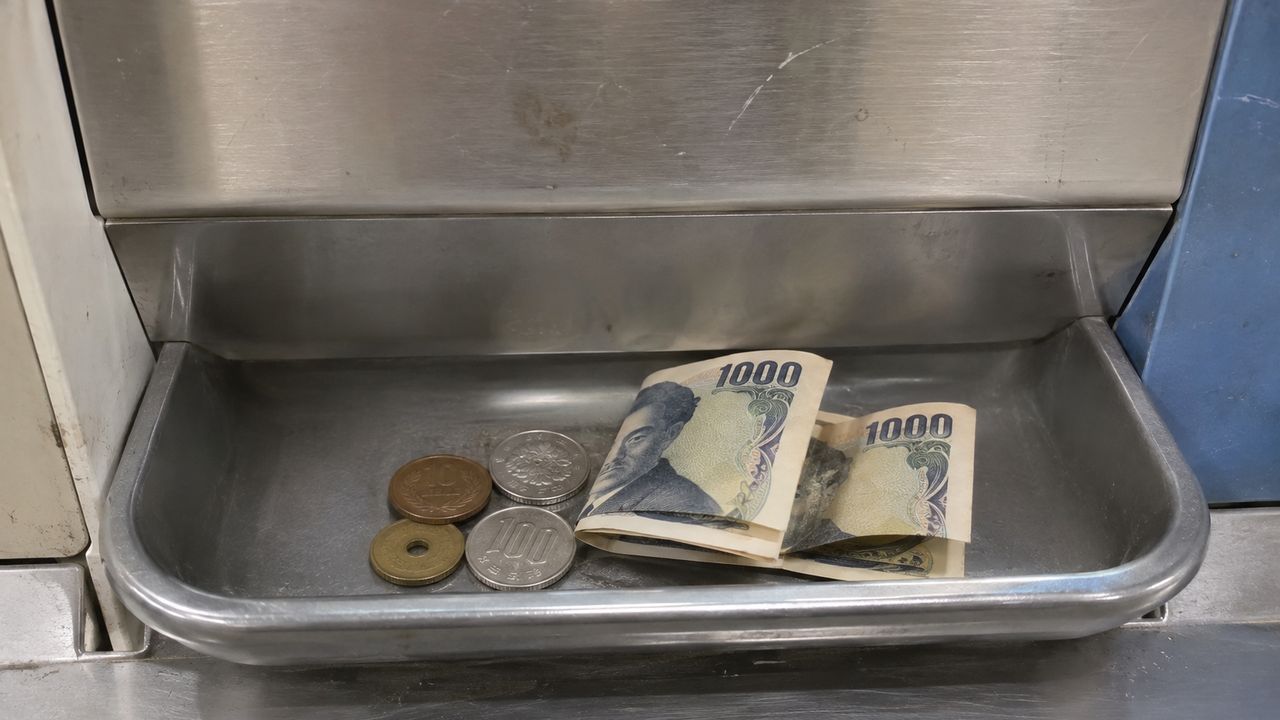
Short version: You can generally pay by card or phone at most hotels, chain restaurants, convenience stores, department stores and larger shops in Japan's cities. You will still want some yen for shrines and temples, many small restaurants, some local buses, coin lockers and vending machines. Withdraw yen from a 7-Eleven or post office ATM using a low-fee card, and check the fee on the screen before you confirm. When a terminal or ATM offers to charge you in your home currency, choose yen. Check your own bank's fees before you fly, because they can cost more than anything Japan charges you.
This guide covers where cash still matters, which ATMs commonly take foreign cards, how IC transit cards work with foreign cards and phones, and the payment traps that cost visitors money. Acceptance, fees and operator rules change often, so confirm the details that matter to you with the operator for your travel dates.
The short answer: carry some yen, pay by card almost everywhere else
- Cards and mobile payments work in most mainstream places. Hotels, chain restaurants, convenience stores (7-Eleven, Lawson, FamilyMart), department stores, electronics chains and large shops in Tokyo, Osaka, Kyoto and other big cities generally accept Visa and Mastercard. JCB and American Express are widely but less universally accepted.
- Cash still matters in smaller settings. These include family-run eateries, rural guesthouses, shrine offices, some local buses and many vending machines. The table below lists them.
- Don't rely on a single card. Cards can be declined by a terminal, blocked by your bank's fraud system, or lost. Arrive with enough yen to cover your first day or two of food and local transport, or know exactly which airport ATM you'll use.
- Policies vary by business. Each shop, restaurant and operator decides what it accepts. If a specific restaurant, ryokan or tour matters to your trip, check its website or ask in advance.
Quick checklist before you leave home
- Tell your bank you're travelling if your issuer still asks for travel notices. Many now rely on fraud monitoring instead, so check your banking app.
- Check your card's foreign transaction fee. Some cards charge none. Others add a percentage to every purchase. Find the exact figure in your card terms rather than guessing.
- Bring at least two cards on different networks, for example one Visa and one Mastercard, ideally from different banks. If one is refused at an ATM, you have a backup.
- Know your card PIN. Japanese ATMs require it, and some shop terminals ask for it too.
- Check whether your phone works with mobile IC cards if you plan to use Suica or ICOCA in a phone wallet. The IC card section below covers this.
- Install a currency converter for rough checks, but treat it as a guide. The yen amount on the terminal and receipt is what counts.
- Plan to keep coins and small notes (¥1,000 notes, ¥100 and ¥10 coins) for buses, vending machines, lockers and shrine offerings.
Where cash is still needed or commonly used: situations table
Typical situations. Acceptance changes, so confirm with the venue for your travel dates.
| Situation | Usual payment method | Notes |
|---|---|---|
| Shrine and temple offerings (saisen) | Coins | Offering boxes take coins. A ¥5 coin is a traditional choice, but any amount is fine. |
| Temple and garden entry fees | Often cash; some accept cards or IC | Larger, busier sites increasingly take cards or QR payments. Smaller ones often don't. Check each site. |
| Amulets (omamori) and seal stamps (goshuin) | Usually cash | Some major shrines may accept cashless payment at the amulet counter. Carry yen anyway. |
| Small independent restaurants and izakaya | Often cash-only, or card with a minimum spend | Look for card logos at the entrance or ask before ordering. Ticket-machine ramen shops may be cash-only or take IC cards. |
| Local buses in regional cities | IC card or exact cash | Many accept the nationally interoperable IC cards. Some regional operators use only local cards or cash, so check the operator's site for your route. |
| Ski lifts and mountain resorts | Varies by resort; many accept cards | Ticket offices at larger resorts often take cards. On-mountain huts, small lodges and rental shops may not. Check each resort's site for the current season. |
| Vending machines | Mostly cash and IC cards | Newer machines may accept contactless cards or QR payments. Older machines take coins and ¥1,000 notes only. |
| Coin lockers | Coins, or IC card on newer units | Station lockers increasingly accept IC cards. Older lockers need ¥100 coins. |
| Rural guesthouses, onsen and markets | Often cash | Confirm when booking if you're staying somewhere small. |
ATMs in Japan: which networks and cards work
Most visitors use two networks:
- Seven Bank ATMs, found in nearly every 7-Eleven and at many airports and stations
- Japan Post Bank ATMs, found in post offices and some stations and shopping centres
Lawson Bank ATMs in Lawson convenience stores also commonly accept foreign cards. Check the card logos on the machine. ATMs inside ordinary Japanese bank branches have historically been less reliable for foreign cards, so treat them as a backup.
ATM networks and foreign cards
| ATM network | Where you find it | Foreign cards | Operator fee |
|---|---|---|---|
| Seven Bank | 7-Eleven stores, airports, some stations | Major international brands are commonly accepted. Check the logos on the ATM and Seven Bank's website for your card. | Shown on the ATM screen before you confirm |
| Japan Post Bank | Post offices, some stations and malls | Major international brands are commonly accepted. Check Japan Post Bank's website for your card. | Shown on the ATM screen before you confirm |
| Lawson Bank | Lawson stores | Many foreign cards are accepted. Check the logos. | Shown on the ATM screen |
| AEON Bank | AEON malls and stores | Check the logos and the operator's page. | Shown on the ATM screen |
| Major city bank branch ATMs (MUFG, SMBC, Mizuho) | Bank branches | Varies; may not accept foreign cards | Varies |
Things to know at the machine:
- Opening hours differ. Many 7-Eleven ATMs are available very long hours. Post office ATMs often follow post office or building hours, which can be shorter on weekends and holidays. Check the operator's ATM page.
- Withdrawal limits apply. The ATM operator sets a per-transaction cap, and your bank may set a daily one. Check both before you rely on a large withdrawal.
- Your PIN must work in Japan. Japanese ATMs use a PIN. If your PIN is longer than four digits, check with your bank whether it will work abroad.
- Your own bank's fee is separate. On top of any ATM operator fee, your bank may charge a flat foreign withdrawal fee, a percentage, or both. These vary widely, so check your issuer's current fee schedule directly. Withdrawing larger amounts less often reduces flat fees, but don't carry more cash than you're comfortable with.
Withdrawing in yen vs accepting a conversion offer. Some ATMs show a screen offering to convert the withdrawal into your home currency at a stated rate. If you accept, the ATM operator's chosen rate applies, which is usually worse than your card network's rate. If you decline (the button may say "without conversion" or similar), you receive yen and your bank converts at its own rate. In most cases, declining is cheaper. The next section explains why.
Mobile data helps more than you'd expect. Many banks send one-time passcodes by SMS to approve card payments, and QR payment and transit apps need a data connection. With a dual-SIM phone, a travel eSIM gives you data while your home SIM stays active to receive bank codes.
The dynamic currency conversion trap
Dynamic currency conversion (DCC) is when a card terminal or ATM offers to charge you in your home currency instead of yen. It looks convenient because you see a familiar number.
Why it usually costs more: with DCC, the merchant or ATM provider sets the exchange rate, and that rate typically includes a markup. When you pay in yen, your card network and bank handle the conversion, which is usually closer to the market rate. This is true even if your bank charges a foreign transaction fee.
What to do:
- Always choose JPY / yen when a terminal or ATM asks.
- If a shop assistant selects the currency for you, ask them to charge in yen before you confirm.
- Check your receipt. It should show a yen amount. If it shows your home currency plus an exchange rate, DCC was applied.
- Know your bank's rate. Your banking app or card terms will say how it converts foreign transactions. Comparing a DCC offer against that tells you what you'd pay.
You should generally be offered a choice of currency before you pay, but the exact rules, and your options if DCC was applied without your consent, depend on the card network and your issuer, so check their current policies. If you think you were charged in your home currency without being asked, keep the receipt and contact your card issuer.
IC cards and foreign cards: what you can and cannot do
IC cards are rechargeable cards used on trains, subways and many buses. They also work at convenience stores, vending machines and lockers. The main ones are:
- Suica (JR East, Tokyo area)
- PASMO (Tokyo private railways and subways)
- ICOCA (JR West, Kansai area)
These and several regional cards are interoperable for transit in major regions, but not on every local network.
Physical vs mobile cards
| Type | How you get it | How you top it up | Notes |
|---|---|---|---|
| Physical Suica / PASMO / ICOCA | Station ticket machines | Cash at station machines and convenience store tills | Normally involves a deposit. Check the current amount with the issuer. Sales of physical cards have been restricted at times, so check availability with the operator. |
| Welcome Suica (tourist version) | Selected JR East stations, including airport stations | Cash | A tourist card with its own rules on validity period and leftover balance, which differ from a standard Suica. Check JR East for current sales locations, validity, deposit and refund rules. |
| Welcome Suica Mobile (app) | App download | In the app | Check JR East for current features, accepted payment cards and supported devices. |
| Suica / PASMO / ICOCA in Apple Wallet | Add in the Wallet app | Apple Pay using a card in your wallet | Needs a compatible iPhone. Some foreign-issued cards have had trouble topping up, so test before your trip. |
| Suica / PASMO / ICOCA on Android | Google Wallet | Google Wallet | Usually needs a phone with Japan's FeliCa/Osaifu-Keitai chip, which many phones sold outside Japan lack. Check the operator for supported models. |
Topping up at stations: station ticket and charge machines generally take cash for IC top-ups, and convenience store tills also take cash. Plan to use yen notes for this, or use a mobile card that tops up through your phone. Check with the operator whether any machines accept cards.
Contactless bank cards at ticket gates: some rail and bus operators let you tap a contactless Visa or other bank card directly at the gate. Coverage is partial and varies by operator, so check your route.
Deposits and refunds (physical cards):
- Standard physical cards normally involve a deposit. Check the current amount with the issuer.
- To return a card and get back any deposit and remaining balance, go to a ticket office of the issuing operator. Suica goes back to JR East, ICOCA to JR West.
- A handling fee may be deducted from the remaining balance. Ask the operator for the current amount.
- There is a limit on how much you can load onto a card. Check the issuer's terms before topping up a large amount.
- Many visitors simply keep the card for their next trip. Cards left unused for a long period may expire, so check the operator's terms.
Practical tips for paying in Japan
- Keep your receipts, especially for larger purchases. You'll need them for any card dispute or tax refund claim.
- Carry small denominations. Bus fare machines and many vending machines often won't take ¥5,000 or ¥10,000 notes, but ¥1,000 notes are widely accepted. Break large notes at a convenience store or station.
- Check card logos at the door. Restaurants usually display accepted cards and QR apps at the entrance or by the register. If you see none, ask "Kādo daijōbu desu ka?" ("Is card OK?") before you order.
- Confirm QR payment apps. If a shop shows only QR codes, check which apps it takes. Some Japanese apps, PayPay included, may need local registration or may not be open to visitors. Some shops accept Alipay+ or WeChat Pay, but not all.
- Understand tax on receipts. Japan's consumption tax has a standard rate and a reduced rate that applies to some food and non-alcoholic drinks, such as takeaway. A receipt may therefore show two tax lines. Prices are normally shown tax-inclusive. Check the National Tax Agency for current rates.
- Check the tax-free shopping rules for your dates. Japan has planned to move tourist tax-free shopping from tax exemption at the till to a refund system, where you pay the tax and claim it back when you leave. Check the National Tax Agency or Japan Tourism Agency for the start date, procedures and minimum spend before you travel. Your card statement may show the tax-inclusive amount first, so keep your purchase records and passport handy.
- Prepay where it reduces cash needs. Booking accommodation in advance with a card lets you compare prices and payment terms before you arrive. Check pricesBooking.com →Some links may be affiliate links. DisclosurePre-paid rail passes and airport transfer tickets mean less cash or card handling on arrival day.Check pricesKlook →Some links may be affiliate links. Disclosure
Final checklist
- Carry yen for shrines and temples, small eateries, local buses, vending machines and lockers. Bring a mix of coins and ¥1,000 notes.
- Withdraw at 7-Eleven (Seven Bank) or post office (Japan Post Bank) ATMs with a card the machine accepts. Check the fee on screen, and always choose to be charged in yen.
- Decline currency conversion on every terminal and ATM. Check that receipts show yen.
- Check your bank's foreign transaction and ATM fees before departure, and pack a second card on a different network.
- Confirm your IC card setup: physical card, Welcome Suica, or a phone wallet. Check whether your specific card and phone can top it up, as of your travel date.
- Confirm acceptance with the venue for anything important: a particular restaurant, ryokan, ski resort or regional bus route.
FAQ
Do I still need cash in Japan in 2026?
Yes, in some situations. Cards and mobile payments work at most hotels, chain restaurants, convenience stores and large shops in big cities. Carry yen for shrine and temple offerings, many small restaurants, some local buses, vending machines and coin lockers. Acceptance changes, so confirm with the venue for your dates.
Should I accept a card terminal's offer to charge me in my home currency?
No. Choose yen when offered. Dynamic currency conversion usually applies a markup set by the merchant or ATM provider, so paying in yen generally gives a better rate through your card network and bank.
Can I top up a Suica or ICOCA with a foreign credit card?
Generally not at station machines, which typically take cash for IC top-ups. Mobile IC cards in Apple Wallet or Google Wallet work differently and depend on your phone and card. Some foreign-issued cards have had top-up trouble, so test before your trip and check with the operator.