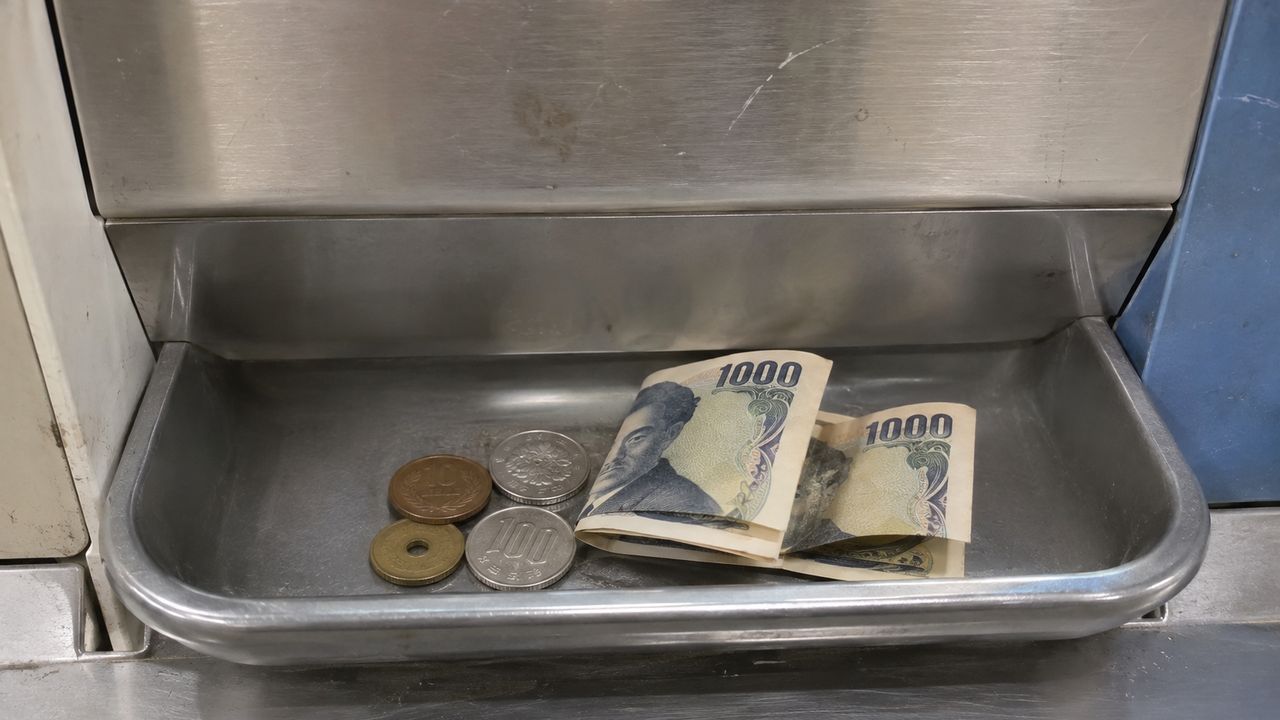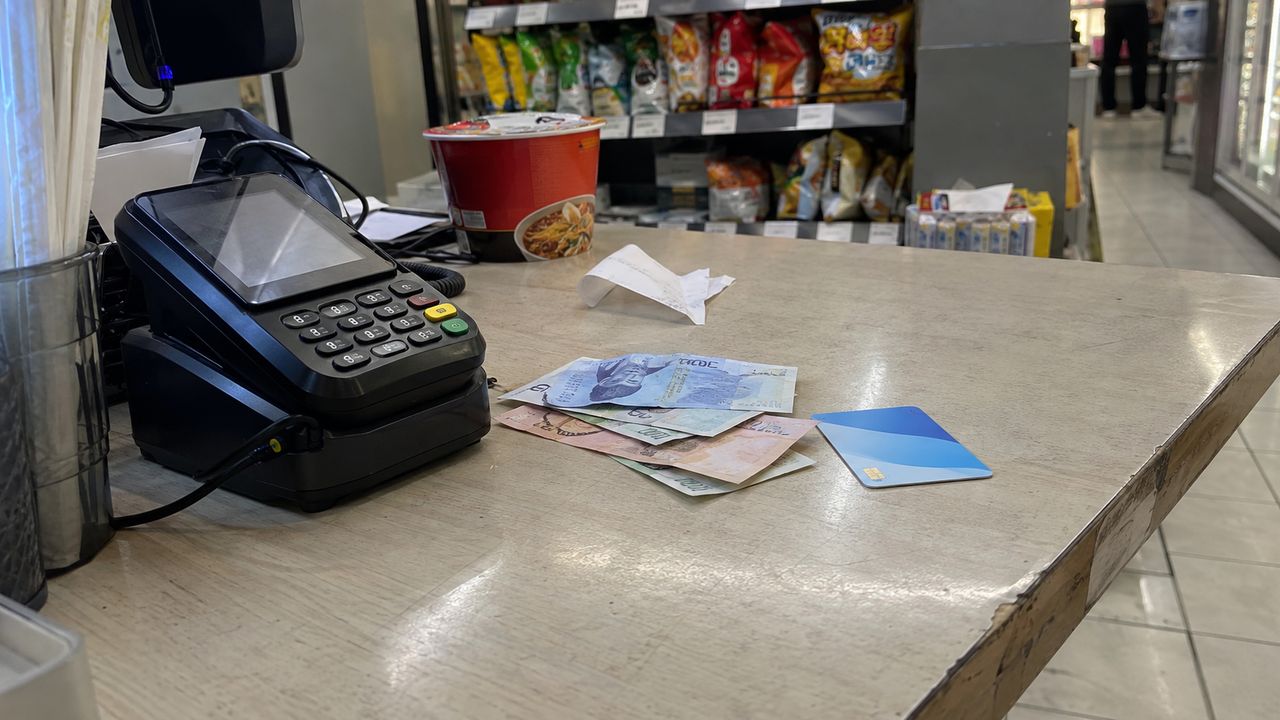
Short version: A Visa or Mastercard handles most purchases in Korea's cities, including chain restaurants, convenience stores and department stores. For transit, a T-money card (or a Climate Card pass) is still the safest choice, because you can't yet tap a foreign card directly at Seoul subway gates. Carry some Korean won for market stalls, small family-run eateries and the occasional machine that rejects foreign cards. Many Korean payment and delivery apps need a Korean phone number, so decide before you fly whether you need one.
Payment rules in Korea have changed quickly over the past few years, especially for foreign cards on public transport. Confirm any figure that matters to you against the official source before you travel.
The short answer: a foreign card covers most of Korea, but carry some cash
Korea is one of the most card-friendly countries in Asia. Locals pay by card or phone for almost everything, including coffee and convenience store snacks. For visitors, the main limits are:
- Network. Visa and Mastercard are the most widely accepted. American Express, UnionPay and JCB work in many places but not all.
- Terminal type. Korean terminals have historically been built around domestic cards and chip (IC) payments. Contactless tapping with a foreign card or a foreign phone wallet such as Apple Pay or Google Pay is not supported everywhere, so be ready to insert the chip.
- Unattended machines. Ticket machines, lockers, some kiosks and vending machines are the most likely to reject a foreign card.
- Cash-preferred businesses. Traditional markets and small eateries often prefer cash, and some accept nothing else.
Fees. Your home bank may charge a foreign transaction fee on every card purchase and a separate fee for ATM withdrawals. These vary widely by issuer, so check your card's own fee schedule before departure. A card with no foreign transaction fee is worth getting if you have time.
Card networks publish their own acceptance information, so check the Visa, Mastercard, American Express, JCB or UnionPay site for Korea rather than assuming a card will work everywhere.
Scenario table: the most reliable payment method by situation
| Situation | Most reliable method | Backup | Notes |
|---|---|---|---|
| Subway and city buses | T-money, or a Climate Card tourist pass | Foreign Visa/Mastercard at a supported ticket machine to buy a ticket, a T-money card or a Climate Card pass | You can't yet tap a foreign card directly at Seoul subway gates. Korea Herald has reported that Tmoney plans foreign-card tapping on Seoul buses for 2027, with Incheon and airport buses to follow. Timelines can shift. |
| Taxi | Card at the in-car terminal, or T-money | Cash (won) | Many Seoul taxis take cards, but foreign-card acceptance can vary by terminal, so keep some won handy. If a ride-hailing app won't take your card, choose "pay to driver". |
| Convenience store (CU, GS25, 7-Eleven, Emart24) | Foreign Visa/Mastercard | Cash or T-money | Staff may ask you to insert your card rather than tap it. A PIN or signature may be requested. |
| Market stall (Gwangjang, Namdaemun, Tongin) | Cash in small notes | Card at larger or more tourist-focused stalls | Some markets, such as Tongin, use their own token or voucher systems, so ask on arrival. |
| Restaurant | Card at chains and mid-range places | Cash | Small local eateries may be cash-only or prefer cash. |
| Coin lockers and station luggage storage | Cash or T-money, depending on operator | Card on newer smart lockers | Payment varies by operator and station, so check the locker screen. |
Foreign cards in practice: which work where
Networks
Visa and Mastercard have the broadest acceptance across shops, restaurants, hotels, taxis and online bookings. If you can only bring one card, make it one of these.
American Express is accepted at many hotels, department stores and larger chains, but coverage at small businesses is weaker. UnionPay is common in duty-free and shopping districts. JCB is accepted in many tourist areas. It isn't confirmed which of these work at Seoul Metro or Korail machines, so check the network's Korea information before relying on any of them as your main card.
Chip, PIN and signature
Many Korean terminals expect you to insert your card's chip rather than tap it. Depending on the terminal and your card, you may be asked for:
- a PIN, so know your card's PIN before you leave
- a signature on the terminal screen
- nothing, with the payment simply going through
Some cards issued outside Asia default to signature, which can confuse unattended terminals. Carry at least one card with a PIN you are sure of.
Unattended machines and kiosks
Self-order kiosks are common in fast-food chains, cafés and some small restaurants. Many accept foreign cards, but some only take domestic cards or Korean payment apps.
The Seoul Metropolitan Government says that since 17 March 2026, 440 new machines at 273 subway stations on Lines 1–8 accept overseas-issued Visa and Mastercard. Press reports say these machines also accept Apple Pay, Kakao Pay and Naver Pay, and can be used for both purchases and recharges. Which machines handle which transaction (single-journey tickets, Climate Card passes, T-money reloads) may vary, so check the screen. Counter top-ups at convenience stores are still commonly paid in cash. Treat any other unattended machine as "might not work" and have cash or a staffed alternative ready.
Don't rely on one card
Bring two cards from different networks, ideally from different banks, and store them separately. Fraud-prevention blocks are common when a card is first used abroad, so tell your bank you are travelling if your bank still requires it. A second card means a block or a lost wallet doesn't leave you stuck.
ATMs and cash withdrawal: what limits apply
Not every Korean ATM accepts foreign cards. Look for machines labelled "Global ATM" or showing your card network's logo. They are commonly found:
- in or near convenience stores, such as 7-Eleven, GS25 and CU
- at major bank branches such as KB Kookmin, Shinhan, Woori and Hana
- at airports and major train stations
Most foreign-card-friendly ATMs offer an English menu, usually via a button on the first screen. If the screen stays in Korean, try another machine rather than guessing.
Limits and fees. Each withdrawal may carry three separate costs:
- a per-transaction fee charged by the Korean ATM operator, which varies by machine and should be shown on screen before you confirm
- your home bank's foreign ATM fee
- a currency conversion margin
Withdrawal limits are set by both the ATM and your card issuer, and some machines cap foreign-card withdrawals per transaction. Limits vary, so check your issuer's daily limit before you travel and watch for any cap shown on the ATM screen.
Dynamic currency conversion. If an ATM or card terminal offers to charge you in your home currency, decline and choose Korean won. The machine's conversion rate is typically worse than your card network's.
To keep fees down, make fewer, larger withdrawals rather than many small ones, as long as you're comfortable carrying the cash.
Cash-in-wallet planning
There's no single right amount, because it depends on your itinerary. Use this framework instead:
- List your cash-likely situations for each day. Examples include market visits, street food, small eateries, T-money top-ups, lockers and rural buses.
- Estimate a rough daily cash spend for those situations only. Card-friendly spending doesn't count.
- Multiply by the number of days with cash-heavy plans.
- Add a buffer for card failures and machines that won't accept your card.
Denominations
The Korean won notes you'll normally see are 1,000, 5,000, 10,000 and 50,000 won, and the common coins are 10, 50, 100 and 500 won.
Market stalls and small vendors appreciate 1,000 and 5,000 won notes. Paying a small bill with a 50,000 won note can be a problem, so break large notes at a convenience store early on.
Some top-up machines and lockers take only notes or only coins, so keep a few of each.
Exchanging money
Airport exchange counters are convenient, but their rates may be weaker than those at private money changers in city areas such as Myeongdong. Rates vary, so compare before you change a large amount.
A common approach is to change or withdraw a small amount at the airport for transport and your first day, then get the rest in the city or from an ATM. Compare the posted buy rate for your currency, not just the headline "no commission" sign.
T-money for foreigners: options and purchase points
T-money is Korea's main rechargeable transit card. In Seoul it works on:
- the subway
- city buses
- many taxis
- some convenience stores, which accept it as a payment card
T-money is also accepted on transit in other regions, but coverage varies, so check locally if you're heading outside Seoul.
Where to buy
- Convenience stores (CU, GS25, 7-Eleven, Emart24) sell plain and decorative cards at the counter
- Incheon Airport arrivals hall and other airport outlets
- Subway station ticket offices and machines at major stations
Cost and top-ups
Travel guides give different prices for a basic card in 2026, roughly ₩2,500–4,000 depending on where you buy. Decorative designs cost more. Guides disagree on whether a small part of that is a refundable deposit. Treat the card price as non-refundable and check the price at the counter. The card comes with no stored value until you load it.
Top-ups are made at:
- subway station recharge machines, which have an English menu
- convenience store counters
Counter top-ups have generally been cash only, which is one of the main reasons to carry won. Check the minimum top-up on the machine.
Unused balance can usually be refunded. Fees, limits and where you can get a refund vary, so confirm the current terms on Tmoney's official site or at the counter when you buy. It's simplest to spend most of the balance before your last day.
Prepaid cards made for tourists
Several products combine a T-money function with a prepaid payment card. You can top these up with foreign currency at dedicated kiosks, which lets you avoid foreign card fees in shops. WOWPASS is the best-known example. Its current fees and kiosk locations couldn't be verified for this guide, so check them before relying on one.
Seoul also offers an unlimited-ride Climate Card tourist pass. Guides updated in 2026 list the 1-, 2-, 3- and 5-day passes at ₩5,000, ₩8,000, ₩10,000 and ₩15,000, and a 7-day pass is also offered. The pass covers the Seoul subway and city buses. Reports say the older 30-day Climate Card is being replaced by Climate Card Plus, which is aimed at residents, while tourist passes continue. Prices and coverage may change, so check the Seoul Metropolitan Government's official Climate Card information before you buy. You can buy the pass at the supported ticket machines mentioned above using a foreign Visa or Mastercard.
Some of these can be ordered for airport pickup through
T-money and foreign contactless cards
Direct tapping of a foreign card at Seoul gates is not yet available. Korea Herald has reported that Tmoney plans to add foreign-card tapping on Seoul buses in 2027. One guide reports that subway gate terminals may be replaced the same year. For now, T-money or a Climate Card pass is the default for transit.
If open-loop tapping does reach your route, keep your cards apart when you tap. Holding a wallet with several cards against a reader can cause a "card clash" error or charge the wrong card. Check the transfer-discount rules before assuming they apply to a foreign card.
Apps without a Korean phone number: sign-up problems and workarounds
Korea's apps are excellent, but many depend on identity verification. This usually means a Korean mobile number registered in your own name, and sometimes a Korean bank account or residence card. A foreign number is often rejected at the sign-up step.
What usually needs a Korean number
- Local payment apps such as Kakao Pay, Naver Pay and Toss: 2026 guides say full features need a Korean number, a Korean bank account and usually a residence card, which a short-stay tourist generally doesn't have. Check each app's help page.
- Food delivery apps such as Baemin and Coupang Eats: sign-up and payment have generally needed a Korean number and often a Korean card. Check each app's current rules.
Workarounds that tend to work
- Use your home wallet where it's linked to Korea. Some overseas payment apps can pay at Korean merchants that support the matching QR payments, without a Korean number. Coverage varies, so check your wallet's list of supported countries.
- Use tourist-friendly ride apps. Kakao T, k.ride and Uber operate in Korea. Reports say Kakao T accepts overseas Visa, Mastercard and JCB cards, but card registration can fail at the verification step. If it does, choose "pay to driver". Test your app before you land.
- Ask your accommodation. Many hotels and guesthouses will help with delivery orders, or have menus from nearby restaurants that take phone orders.
- Get a Korean number. This is only worth it if a specific app you need will accept it.
About eSIMs and Korean numbers
Many travel eSIMs are data-only, with no Korean phone number. They're fine for maps, messaging and browsing, but they won't help with app verification.
Some prepaid SIMs and eSIMs for tourists do include a Korean number. Plans with calling and SMS must be registered under Korea's real-name rules, and tourist plans are typically registered with a passport. However, a number alone doesn't always pass app verification, because many Korean services expect the number to be tied to a Korean identity. Which apps accept tourist numbers isn't confirmed.
If you need a Korean number for a specific purpose, such as receiving SMS codes or making local calls, compare plans that clearly state they include a number via
App rules change often, so check each app's official help page before you rely on it. For broader tourist questions, the Korea Tourism Organization's site (visitkorea.or.kr) and its 1330 Travel Hotline are the usual starting points, and HiKorea (hikorea.go.kr) covers immigration and resident matters. Confirm current availability on those sites.
Quick checklist before you land
- [ ] Two cards from different networks, PINs known, stored in different places
- [ ] Card fees checked: foreign transaction fee, foreign ATM fee and daily withdrawal limit, from your issuer's current fee schedule
- [ ] Bank told about travel if your bank requires it, so your first payment isn't blocked
- [ ] Cash planned for market days, small eateries, T-money top-ups and lockers, with plenty of 1,000 and 5,000 won notes
- [ ] Transit sorted: T-money, a Climate Card pass or a tourist prepaid card, with a foreign card as a backup for ticket machines
- [ ] Korean number decision made: data-only eSIM if you just need internet, or a plan with a number only if a specific app requires it and accepts tourist numbers
- [ ] Ride app installed and tested with your foreign number and card before arrival
- [ ] "Pay in won" rule remembered whenever a terminal offers your home currency
Card acceptance in Korea keeps improving, but cash and a T-money card still smooth over the gaps. With both in your pocket, you'll rarely be stuck.
FAQ
Can I tap my foreign credit card on the Seoul subway gates?
Not yet. You can't tap a foreign card directly at Seoul subway gates. Use a T-money card or a Climate Card tourist pass. Some ticket machines accept foreign Visa or Mastercard to buy these. Reports say foreign-card tapping on Seoul buses is planned for 2027, so check current status before you travel.
Do I need a Korean phone number to use Kakao Pay or Baemin?
Generally yes for full features. 2026 guides say local payment apps need a Korean number, a Korean bank account and usually a residence card, and food delivery sign-up has typically needed a Korean number. Check each app's help page before you rely on it, and plan an alternative such as paying the driver directly.
Should I carry Korean won if I have a Visa card?
Yes. Visa and Mastercard cover most chain shops and restaurants in cities, but traditional markets, small family-run eateries and some lockers or top-up points still prefer cash. Carry plenty of 1,000 and 5,000 won notes.