The short answer: when to go and how to route it
Aim for roughly 31 March to 9 April 2027. Fly into Kansai (Osaka), finish in Tokyo, and let the bloom forecast decide how many nights you spend in each place. Book an open-jaw ticket into Kansai International (KIX) and out of Haneda or Narita so your flights never need to change. Only the middle of the trip moves.
Why west-to-east works, and where it doesn't:
- Nationally, cherry blossoms move south to north. They open first in Kyushu and western Japan, then spread up through Honshu to Tohoku and Hokkaido over several weeks.
- Between Kyoto and Tokyo, the order can flip. In some years Tokyo reaches first bloom and full bloom a few days before Kyoto. This is often attributed partly to the urban heat island effect. Look up the JMA observed dates for recent years for Tokyo, Kyoto, Osaka and Fukuoka to see how often this happens. Treat it as a possibility, not a rule.
- The fix is the flexible middle and end of the trip. Areas east and north of Tokyo, and higher up, tend to bloom later. Kawaguchiko (Fuji Five Lakes), Hakone's upper slopes and Nikko are examples. If Tokyo's peak comes early, you shift nights toward those areas.
The three anchors:
- Osaka: your arrival point via KIX. It can shrink to a single night, or be skipped in an early-bloom year.
- Kyoto: always 2–4 nights.
- Tokyo: always your last nights and departure.
Everything else is adjustable using the table below.
Bloom-date decision table (2027)
This table assumes a trip of Wednesday 31 March to Friday 9 April 2027. If your dates differ, shift the forecast ranges by the same number of days. The date ranges are planning scenarios, not forecasts.
"Full bloom" means the official mankai (満開) date. It is declared when roughly 80% of the blossoms on a designated sample tree are open. "First bloom" (kaika, 開花) is declared when five or six flowers open. The gap between the two varies by year and location, so check the JMA observed dates for recent years to get a feel for it.
| Scenario (2027) | Tokyo full-bloom forecast | Kyoto full-bloom forecast | Days 1–3 base | Days 4–6 base | Days 7–10 base |
|---|---|---|---|---|---|
| Early bloom (late March) | On or before ~26 Mar | On or before ~29 Mar | Kyoto. Go straight from KIX. Focus on petal fall and later varieties. | Hakone or Kawaguchiko (higher altitude, later bloom). Osaka shrinks to an arrival night or is dropped. | Tokyo, plus a Nikko day trip and later-blooming double cherries at Shinjuku Gyoen |
| Mid-season (around 1 April) | ~27 Mar – 2 Apr | ~30 Mar – 5 Apr | Kyoto, with a Nara half-day. Osaka is the arrival night only. | Tokyo (at or just past peak) | Kawaguchiko overnight, then back to Tokyo |
| Late bloom (early–mid April) | On or after ~3 Apr | On or after ~5 Apr | Osaka, with Nara and Himeji day trips | Kyoto | Tokyo, plus Kawaguchiko if its forecast is open |
| Rain or wind fallback (any scenario) | Heavy rain or strong wind forecast during peak | Same | Keep the base and move to the indoor or garden option for that city (see below) | Same | Same |
The swap rule. Reverse the whole route (Tokyo first, Kansai last) only in one case: Tokyo's full bloom falls on or before your Day 2 and Kyoto's falls on Day 7 or later. Even then, only do it if your flights allow it, such as a round trip into Tokyo or a changeable open-jaw. Otherwise, reallocate nights within the fixed order. That usually gets you close.
How to update the table. Don't decide in October. Private forecasters typically publish a first cherry blossom forecast before the season and update it regularly until bloom. The 2027 release dates aren't confirmed yet, so check each site for its schedule:
- Japan Meteorological Corporation (n-kishou.co.jp)
- Weathernews
- Japan Weather Association (tenki.jp)
JMA publishes official observed first-bloom and full-bloom dates. Check its site to see whether it will continue to do so for 2027, and whether it issues its own forecasts. Do your final allocation about a week before departure, using the latest update for Tokyo, Kyoto and any side-trip area.
Rain and wind fallbacks:
- Osaka: Osaka Castle's interior museum, Kuromon Market.
- Kyoto: Nijo Castle (palace interiors and gardens), Nishiki Market, Kyoto Railway Museum, Kyoto National Museum.
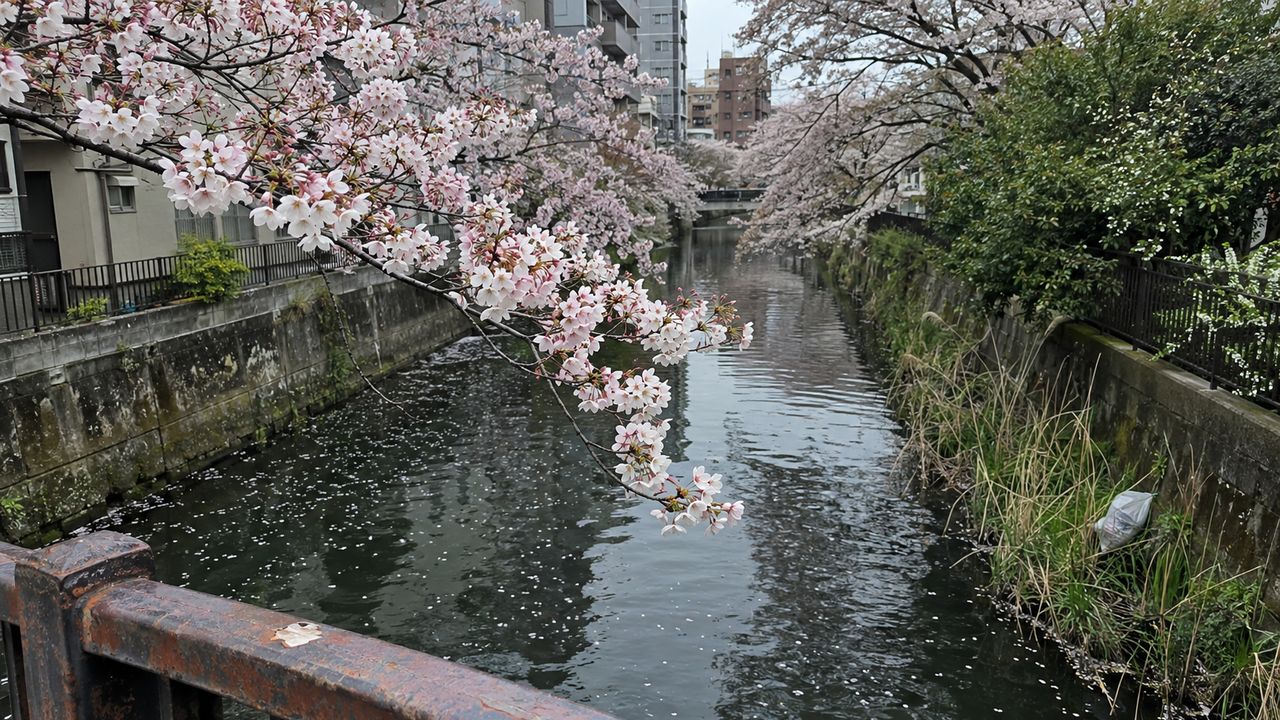
- Tokyo: Tokyo National Museum in Ueno, the Shinjuku Gyoen greenhouse. Fallen petals on the Meguro River after rain can be striking from the bridges.
10-day flexible itinerary
This is the default (late-bloom) version. Use the decision table to compress or stretch each block.
Days 1–3: Osaka base (Nara and Himeji day trips)
- Day 1: Arrive at KIX and transfer to Osaka. Walk the riverside cherries at Kema Sakuranomiya Park, or Osaka Castle Park. The castle's Nishinomaru Garden has charged a separate admission fee, so check its spring hours and price.
- Day 2: Himeji Castle, one of Japan's most photographed cherry blossom castles. Go early because ticket lines build quickly in peak season.
- Day 3: Nara Park and the Todai-ji area. If the forecast shows Kansai is behind, consider Mount Yoshino instead. Its cherries bloom in stages up the mountain, generally later than the city, so check the local forecast.
If Kyoto is already at peak on arrival: take the JR Haruka limited express straight from KIX to Kyoto and run Days 4–6 first.
Days 4–6: Kyoto base
- Philosopher's Path: about 2 km of canal-side cherries. Walk it before 8:00 if you can.
- Maruyama Park: home to the famous weeping cherry (shidarezakura). It's lively in the evening, with food stalls during the season.
- Kyoto Gyoen (Imperial Palace Park): large, free and less crowded. It has a range of cherry varieties, including weeping types that can bloom at different times from the main Somei-yoshino trees.
- Extras: Heian Shrine garden (paid), Daigo-ji, and Arashiyama. Ninna-ji's low "Omuro" cherries are generally known as a late bloomer, which makes it a good option if the rest of the city is past peak.
Spring 2027 timed-entry or crowd-control rules for these Kyoto sites haven't been confirmed, so check each one's official page before you go.
If Kyoto is past peak: spend two nights in Hakone en route to Tokyo, or one night in Nagoya (Nagoya Castle, Yamazaki River). Hakone's bloom varies by altitude, so check the forecast for the specific area you'll visit.
Days 7–10: Tokyo base
- Ueno Park: Tokyo's classic hanami crowd scene. Picnic areas and hours have been regulated in some recent seasons. Check the park's rules for spring 2027 closer to the date.
- Meguro River: best on a weekday evening when lanterns are lit. The banks are narrow, so expect crowd management and check for local rules on picnicking and walking flow.
- Shinjuku Gyoen: paid entry, and it has had restrictions on alcohol. Check the current fee and rules on the official site. It's known for many varieties, including later double-flowered (yaezakura) types that extend the season.
- Chidorigafuchi: moat-side cherries near the Imperial Palace, with rowboat rental. Check whether the boats operate in 2027.
- Day trip:
- Kawaguchiko: Chureito Pagoda and the lake's north shore. It generally blooms later than central Tokyo, so check its own forecast.
- Nikko: generally later still. It's best as an early-bloom-year rescue, but check the local forecast.
Japan Rail Pass or individual tickets?
For this one-way route, individual tickets are likely cheaper. Check the current nationwide pass prices on the official JR Pass site. Prices have changed in the past, and 2026 prices and any 2027 change should be confirmed there. Price a one-way Kyoto–Tokyo Shinkansen ticket plus your Kansai day trips and compare the total.
Other limits of the pass:
- Coverage: the pass is for JR lines only. It does not cover private railways such as Odakyu (Hakone), Tobu (Nikko) or Kintetsu (Nara and Yoshino). Check whether your Kawaguchiko route uses non-JR sections.
- Nozomi and Mizuho trains: these fastest Shinkansen services have been excluded from the pass or have needed a separate supplement. Confirm the current rules and supplement fares before you buy.
Regional passes may make sense if you add more Kansai trips. Check the current JR West regional pass options.
Booking-timeline checklist
It is late October 2026 as this is written, so you are about five months out. If you haven't started, do the first two steps this week.
Twelve months out (or now, if you're late)
- [ ] Book open-jaw flights (KIX in, Tokyo out), or changeable fares if you want the swap option.
- [ ] Shortlist hotels in all three anchor cities with free-cancellation rates. Read the exact deadline for each property, because cancellation windows vary widely and some ryokan charge fees earlier than hotels. Compare on Check pricesAgoda →Some links may be affiliate links. DisclosureorCheck pricesBooking.com →Some links may be affiliate links. Disclosure.
Six months out
- [ ] Confirm individual tickets versus a rail pass. Check for any 2026 or 2027 JR fare revisions.
- [ ] Choose your IC card: Welcome Suica or ICOCA, or a mobile Suica/ICOCA in Apple Wallet. Check which physical cards are currently on sale.
- [ ] Check any spring entry rules at Shinjuku Gyoen and the other parks.
Three months out
- [ ] Lock refundable hotels for all anchor nights, including both versions of your flexible middle nights if rates allow.
- [ ] Book any timed-entry attractions on your list.
- [ ] Check that your passport meets Japan's validity requirements for your entire stay.
Four to six weeks out
- [ ] Read the latest forecasts and pick your provisional row in the decision table.
- [ ] Cancel the hotel nights you won't use and rebook as needed.
Two weeks out
- [ ] Sort out mobile data. An eSIM (Check pricesAiralo eSIM →Some links may be affiliate links. Disclosure) makes it easy to check same-day forecasts and train times.
- [ ] Confirm day-trip transport or tours (Check pricesKlook →Some links may be affiliate links. Disclosure), especially the Fuji Excursion or Kawaguchiko buses, which fill up in season.
- [ ] Do the final table check about a week before departure.
Budget, transport and practical notes
Transport by leg (approximate durations; check current fares)
Fares aren't listed here because 2026 prices couldn't be verified. Check each operator's site or a route planner for current prices. Fares can change, and some JR fares may have been revised in 2026, so check for that too.
| Leg | Main option | Typical duration |
|---|---|---|
| KIX → Osaka (Namba) | Nankai rapi:t | ~35–40 min |
| KIX → Kyoto | JR Haruka | ~75–80 min |
| Osaka → Himeji | Shinkansen / JR Special Rapid | ~30 min / ~60 min |
| Osaka (Namba) → Nara | Kintetsu | ~40 min |
| Kyoto → Nara | Kintetsu / JR Miyakoji Rapid | ~35–45 min |
| Osaka → Kyoto | JR Special Rapid | ~30 min |
| Kyoto → Nagoya | Shinkansen | ~35 min |
| Kyoto → Tokyo | Shinkansen Nozomi | ~2 hr 15 min |
| Shinjuku → Hakone-Yumoto | Odakyu Romancecar | ~85 min |
| Shinjuku → Kawaguchiko | Fuji Excursion / highway bus | ~2 hr / ~2 hr+ |
| Asakusa → Nikko | Tobu limited express | ~2 hr |
Allow extra time for buses. Traffic to Kawaguchiko can be heavy on spring weekends.
Sample daily budget (per person, rough estimates)
These figures exclude flights and long-distance trains. They are rough yen estimates for planning, not sourced prices. They aren't converted to USD, so convert at the exchange rate on the day you book. Hotel prices rise noticeably during cherry blossom season.
| Style | Yen per day |
|---|---|
| Budget (hostels, business hotels, convenience-store and casual meals) | ¥15,000–22,000 |
| Mid-range (3-star hotels, sit-down meals, paid gardens) | ¥30,000–45,000 |
| Comfort (4-star hotels or ryokan, guided tours) | ¥60,000+ |
Beating the crowds
- Go early. Arrive at popular parks around 7:00. Mornings are calmer and the light is softer.
- Use weekdays for day trips. Do Kawaguchiko, Nara and Himeji on weekdays. 3–4 April 2027 is a weekend, which falls in the middle of the example window.
- Know the holidays. Vernal Equinox Day falls around 21 March 2027, which is a Sunday. That is before the trip window. The official date and any substitute holiday aren't confirmed yet, so check the official calendar. Japanese school spring break runs from late March into early April. Golden Week begins with Showa Day on 29 April, which matters only for late areas like Nikko.
- Carry cash. Festival stalls and some temple entrances still prefer it.
Entry and taxes (check against official sources before you fly)
- Visas: many nationalities have been able to enter Japan visa-free for short tourist stays, but eligibility and the permitted length of stay vary by passport. Confirm the rule for your nationality on the Ministry of Foreign Affairs of Japan site (mofa.go.jp).
- Passport validity: check Japan's current passport validity requirement for your nationality before booking.
- Visit Japan Web: this speeds up immigration and customs. Japan has also been developing an electronic travel authorization system (JESTA). Check whether it will be in effect for spring 2027 before you fly.
- Departure tax: Japan charges an international tourist tax on departure, usually included in your airfare. An increase has been discussed, so check the current rate when you budget.
- Accommodation tax: Tokyo, Osaka and Kyoto levy accommodation taxes, generally per person per night. Rates can depend on the room price, and Kyoto has been revising its rates, so check the current schedule for each city. These taxes may be collected at check-in rather than included in the online price.
Frequently asked questions
Can I still see blossoms if I miss the peak? Yes. Petal fall (hanafubuki) is a highlight in its own right, especially along rivers and canals where petals drift on the water. Double-flowered varieties typically bloom after the common Somei-yoshino. Higher and more northerly areas like Kawaguchiko and Nikko tend to run later. That is why the decision table shifts nights toward them in early years.
Is 10 days enough? Ten days fits three anchors plus one or two side trips without rushing.
- Seven days: drop either Osaka or the Fuji-area overnight, and you lose most of your flexibility.
- Fourteen days: you can add Hiroshima or Kyushu at the start, or Tohoku (Hirosaki, Kakunodate) at the end. Tohoku generally blooms later than Tokyo, so it can give you a second chance at peak bloom. Check the local forecast.
What if the forecast changes after I book? That's expected, which is why the plan is built around refundable hotels and fixed flights. Book free-cancellation rates and note each deadline in your calendar. If you can afford it, hold rooms for both possible versions of your middle nights, then cancel the loser after the final forecast check. Buy Shinkansen tickets close to travel, but reserve seats as early as your plan firms up, since spring trains fill fast. Use the swap rule only if your flights can change.
FAQ
Can I still see blossoms if I miss the peak?
Yes. Petal fall (hanafubuki) is a highlight in its own right, especially along rivers and canals where petals drift on the water. Double-flowered varieties typically bloom after the common Somei-yoshino. Higher and more northerly areas like Kawaguchiko and Nikko tend to run later, which is why the decision table shifts nights toward them in early years.
Is 10 days enough?
Ten days fits three anchors plus one or two side trips without rushing. Seven days means dropping either Osaka or the Fuji-area overnight, which loses most of the flexibility. Fourteen days lets you add Hiroshima or Kyushu at the start, or Tohoku at the end, since Tohoku generally blooms later than Tokyo. Check the local forecast for any of these.
What if the forecast changes after I book?
That is expected, which is why the plan relies on refundable hotels and fixed flights. Book free-cancellation rates, note each deadline, and if you can afford it hold rooms for both possible versions of your middle nights, then cancel the loser after the final forecast check. Use the swap rule only if your flights can change.