Spend four nights in Seoul and two in Busan. Put the optional ski day on Day 3, keep Day 4 flexible as a backup, and take the train to Busan on Day 5. This gives you the palaces, food and neighbourhoods of Seoul, a day on the slopes if conditions allow, and two milder days on the coast. Every day below includes an indoor fallback for very cold or windy weather.
This guide is not a first-hand trip report. Fares, hours, closing days and season dates for the 2026–2027 winter may change, and I could not verify them against official sources. Confirm anything that matters on the official site before you book. Items I could not verify are described in general terms rather than with exact figures.
The short answer: how to structure 7 winter days in Korea
| Day | Base | Plan | Indoor fallback |
|---|---|---|---|
| 1 | Seoul | Arrive, check in, easy evening | Covered market or underground shopping |
| 2 | Seoul | Palaces and Bukchon | National Museum of Korea |
| 3 | Seoul | Optional ski day | Jjimjilbang or Lotte World |
| 4 | Seoul | Myeongdong and Namsan (or the ski day if Day 3 was cancelled) | Starfield Library |
| 5 | Seoul → Busan | Gangnam or Seongsu, then KTX/SRT to Busan | Department store food hall |
| 6 | Busan | Gamcheon, Jagalchi, Haeundae | Busan Museum |
| 7 | Busan | Haedong Yonggungsa, Gwangalli, depart | Shinsegae Centum City |
Why the ski day sits on Day 3. Slopes can close or shuttles can be cancelled because of heavy snow, wind or poor conditions. If that happens on Day 3, you can swap Days 3 and 4 and still keep your Busan transfer. If you put the ski day on Day 5, you would be trying to fit a long mountain trip around a train to Busan. That is the most common way this kind of itinerary falls apart.
Flights tip: If you can, book an open-jaw ticket. Fly into Incheon (ICN) and out of Busan's Gimhae Airport (PUS). That saves you the return trip to Seoul on Day 7.
Before you go: winter conditions, clothing and heating
Typical temperatures
Seoul in winter is cold and dry. Busan is noticeably milder but windy on the coast.
| City | Month | Rough average low | Rough average high | Source / period |
|---|---|---|---|---|
| Seoul | January | about −6°C | about 2°C | Approximate; 1991–2020 normals via a secondary site, not checked against KMA |
| Busan | January | about −3°C | about 7°C | Approximate; 1991–2020 normals via a secondary site, not checked against KMA |
December and February are usually a little less severe than January. Cold snaps can still push Seoul well below these averages. Check the KMA forecast (weather.go.kr) in the week before you travel.
What to wear
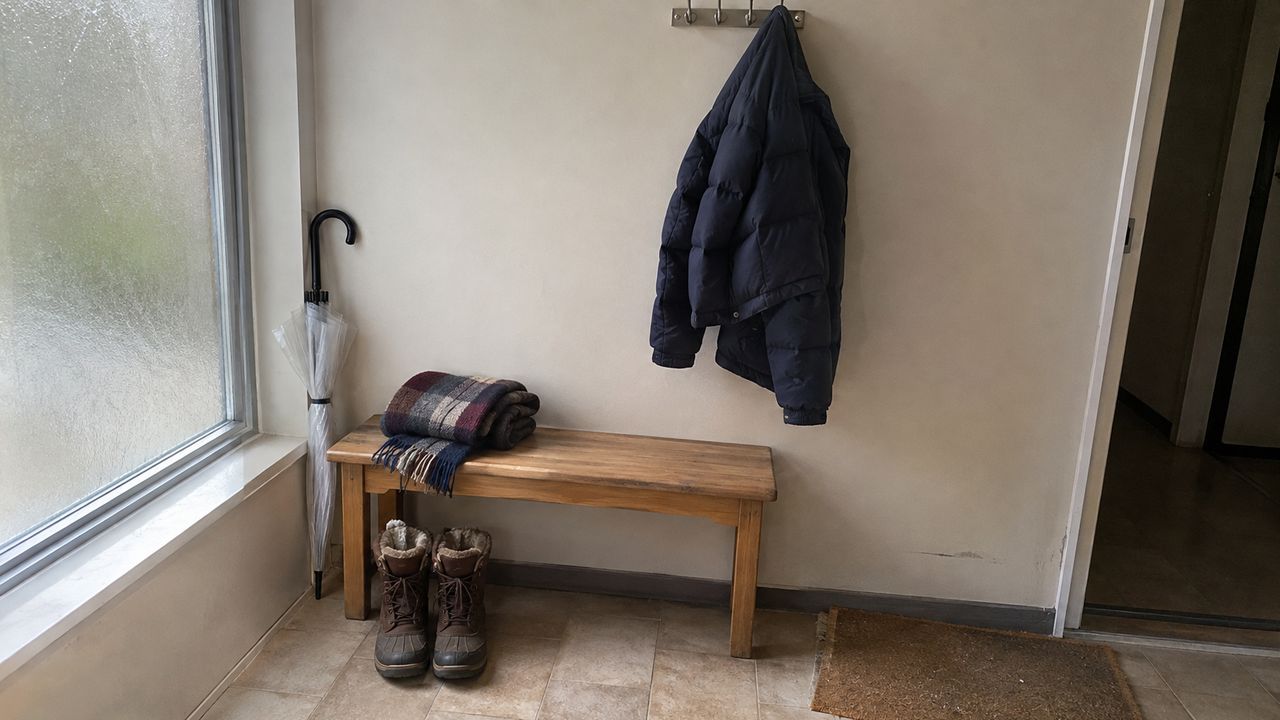
- Thermal base layer for top and bottom. You'll peel off the outer layers indoors.
- Mid layer such as fleece or a light down jacket.
- Windproof outer shell or a long padded coat. Wind is what makes Seoul's riverside, Namsan and Busan's sea cliffs feel colder than the forecast.
- Hat, gloves, scarf and warm socks. Touchscreen gloves help with maps and transit apps.
- For the ski day: ski resorts are higher, colder and windier than the city. Rental packages differ by resort, so check what yours includes (skis or board, boots, and whether clothing is covered). Bring your own gloves, goggles or sunglasses, a neck warmer and a base layer.
Heating indoors
- Ondol (underfloor heating) is traditional in Korean homes. Many guesthouses and hanok stays use it, sometimes with sleeping mats on the floor, but check each listing's description. Floors can get very warm, so look for a thermostat panel in the room.
- Hotels usually have central heating or individual climate control. Rooms, cafes, malls and trains can feel hot if you come in dressed for −5°C. That's why layers work better than one huge coat.
- On the street: some bus stops may have heated shelters or benches in winter, but I couldn't confirm what will be running in 2026–27. Don't count on them.
Dry air
Winter air is very dry, and heating makes it drier. Pack moisturiser, lip balm and saline eye drops if you need them. Static shocks are common. Korean pharmacies and convenience stores stock all of these if you forget.
Plan heated cafe stops every couple of hours. They're part of the experience in Seoul, and they make outdoor sightseeing much more manageable.
Transport table: getting around Seoul, Busan and to the ski resort
I could not verify the figures below against the operators' own sites, so treat them as rough. Confirm fares, times and frequency before you travel.
| Route | Mode | Typical journey time | Frequency | Fare |
|---|---|---|---|---|
| Incheon Airport → Seoul Station | AREX Express (non-stop) | under an hour | Check the AREX timetable | Check the official AREX site |
| Incheon Airport → Seoul Station | AREX All-Stop (commuter) | a little over an hour | Check the AREX timetable | Check the official AREX site; it depends on destination |
| Incheon Airport → central Seoul hotels | Airport limousine bus | Traffic-dependent; check your route's timetable | Varies by route | Check the current fare and timetable for your route |
| Seoul → Busan | KTX high-speed train | roughly 2.5–3 hours depending on service | Check the timetable on letskorail.com | Check letskorail.com |
| Suseo (Gangnam) → Busan | SRT high-speed train | roughly similar to KTX | Check the SRT timetable (srail.kr) | Check srail.kr |
| Seoul → Busan | Intercity express bus | Longer than the train; check kobus.co.kr | Check kobus.co.kr | Usually cheaper than the train; check kobus.co.kr for terminal, time and fare |
| Within Seoul | Subway with T-money | Varies | Frequent | Check the official T-money site for current fares |
| T-money card | Card purchase | n/a | n/a | Sold at convenience stores; check the official T-money site for prices and refund policy |
| Central Seoul → ski resort | Resort shuttle bus or tour shuttle | Depends on resort and traffic | Confirm with the resort or operator | Confirm routes, timetable and fare with the resort or operator |
| Central Seoul → ski resort | Private transfer | Depends on resort and traffic | On demand | Varies by vehicle and group size |
KTX vs. express bus. The KTX (or SRT) is generally much faster than the bus. The express bus is usually cheaper. It's also a useful same-day backup if trains around a holiday weekend are sold out.
Which station? Check your departure station when you book, because Seoul Station and Yongsan can both handle some high-speed services. I couldn't verify which serves each Busan trip in the 2026 timetable. If you're spending Day 5 in Gangnam, the SRT from Suseo is usually more convenient.
Booking. Korail opens KTX bookings in advance at letskorail.com, and the lead time is worth checking. Book early for weekends, Christmas, New Year and especially Seollal (Lunar New Year). Seollal 2027 falls in early February. Confirm the exact holiday dates, including any substitute holiday, and expect trains and buses to sell out across that stretch.
Day-by-day itinerary: Seoul (days 1–5)
Where to stay: Choose somewhere within a short walk of a subway station. Myeongdong, Euljiro, City Hall, Jongno and Hongdae all work well. Seoul Station area makes the Day 5 KTX easy. Compare options on
Day 1: Arrive and settle in
Take AREX or a limousine bus into the city and check in. Keep the evening simple. Gwangjang Market works well for a first dinner of bindaetteok (mung bean pancakes) and kalguksu (knife-cut noodles). Indoor fallback: Gwangjang's food area is covered. The underground shopping arcades around City Hall and Euljiro also let you browse without going outside.
Day 2: Palaces and Bukchon
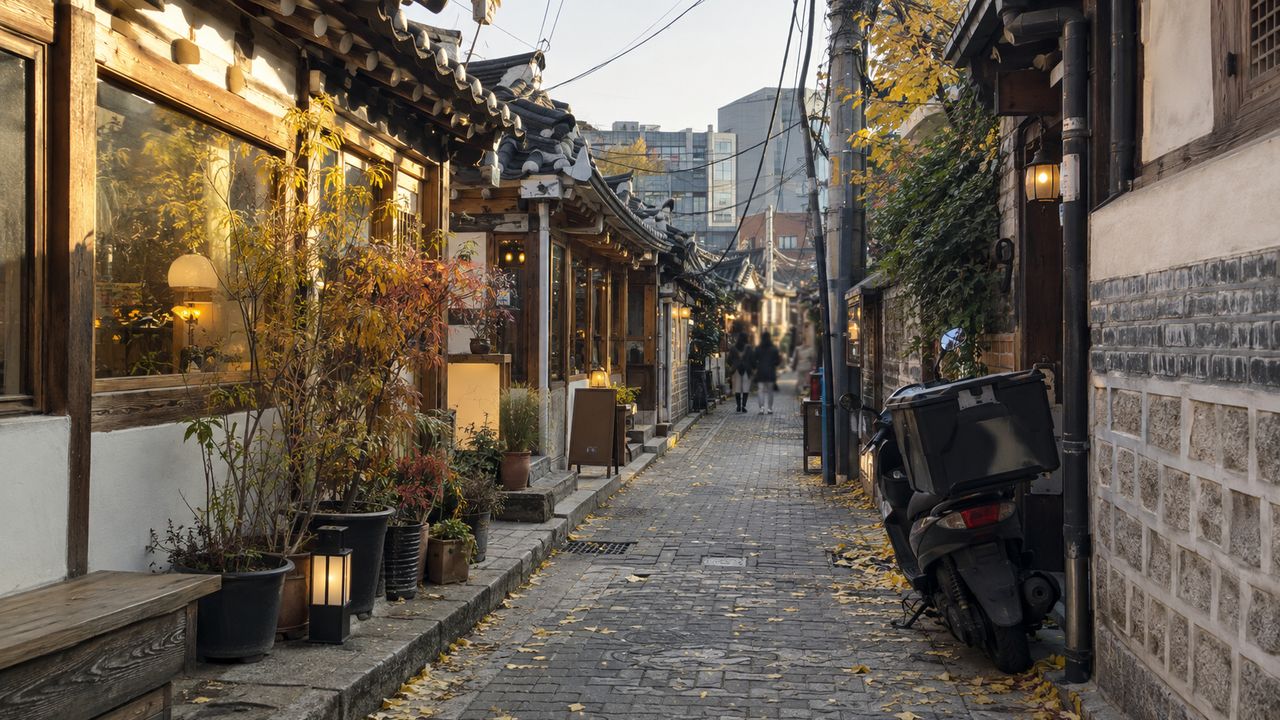
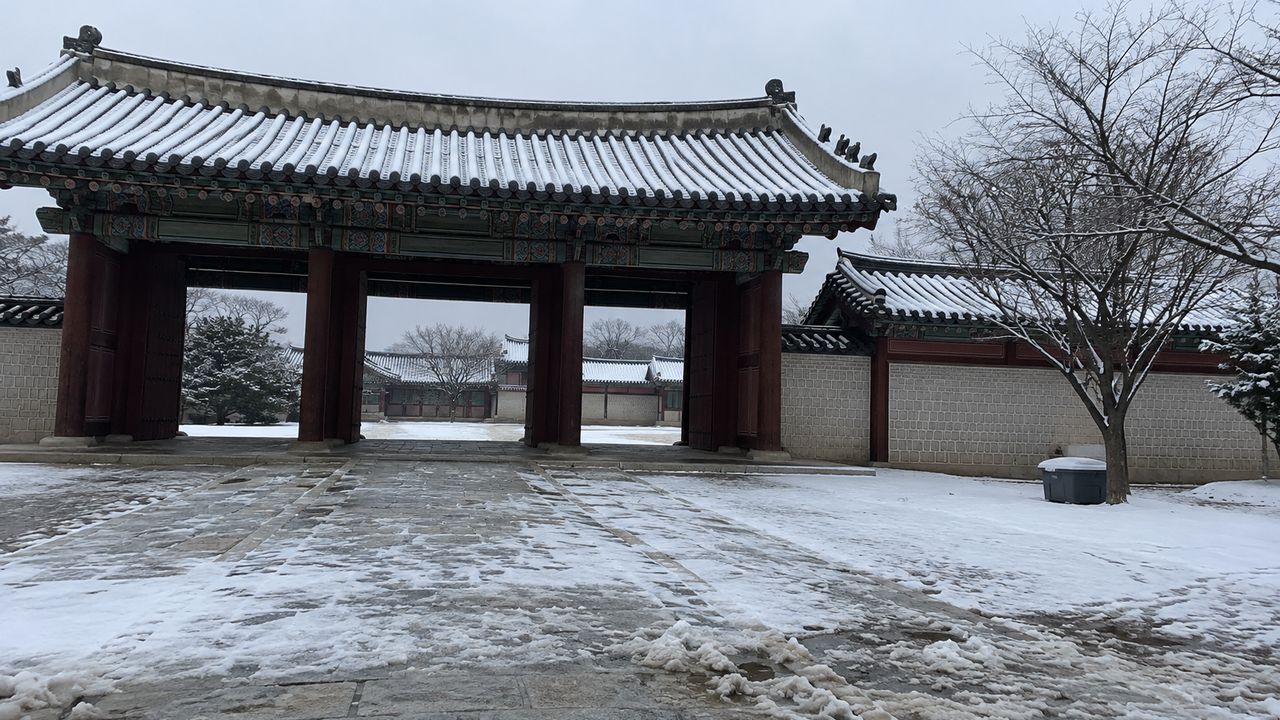
Start at Gyeongbokgung. The gate guard ceremony (check whether it is running that day) and the snow-dusted rooftops are winter highlights. Check the palace's official site for admission, its weekly closing day and whether wearing hanbok still gives free entry. Then walk to Bukchon Hanok Village. Bukchon is a residential area, and parts of it may have visiting-hour restrictions for tourists. Check the current rules on the official Visit Seoul site (english.visitseoul.net) before you go, and keep your voice down. Changdeokgung is nearby if you want a second palace. Check its weekly closing day before you go. Indoor fallback: The National Museum of Korea in Yongsan. Check its hours and holiday closures on the official site.
Day 3: Optional ski day
Most ski day trips from Seoul leave early in the morning and get back in the early evening. Resorts commonly reached on a day trip include Vivaldi Park (now Sono Vivaldi Park), Jisan Forest, Konjiam and Elysian Gangchon. Confirm each resort is operating in 2026–27. Yongpyong and High1 are bigger but farther away, which makes the day long.
Practical points: - Season dates vary by resort and by snowfall. Korean resorts typically run through the winter months, but check each resort's site for exact dates. Early-season and late-season snow is less reliable. - Packages that bundle the shuttle, lift ticket and rental are the simplest option for first-timers. Look on
Indoor fallback: A jjimjilbang (Korean bathhouse), such as Dragon Hill Spa near Yongsan. Check that it is still operating, and check its current hours and fees. Another option is Lotte World Adventure, the indoor part of Lotte World. Check hours and ticket prices on the official site.
Day 4: Myeongdong, Namsan and the cable car (or your ski day)
If the ski day was cancelled, do it today instead. Otherwise, spend the morning at Namdaemun Market and walk up to Namsan or take the Namsan cable car to N Seoul Tower. The cable car can pause in high winds, so check hours and fares on the day. The summit is noticeably colder than the streets, so bring every layer. Head back down to Myeongdong at dusk for street food stalls and skincare shops. Indoor fallback: Starfield Library in COEX Mall, plus the rest of COEX and its aquarium. Check opening hours first.
Day 5: Gangnam or Seongsu, then Busan
Choose one area. Seongsu-dong has converted warehouses, independent cafes and pop-up stores. Gangnam has polished shopping and is close to the SRT at Suseo. Check out first and either store your bag or carry it light. Aim to reach Busan by late afternoon or early evening. Indoor fallback: A department store food hall, such as Hyundai or Shinsegae Gangnam, or an afternoon of cafe-hopping in Seongsu.
Day-by-day itinerary: Busan (days 6–7)
Where to stay: Seomyeon is central and well connected. Haeundae is good for the beach and the Day 7 sights. Nampo is close to Jagalchi and Gamcheon. Check
Day 6: Gamcheon, Jagalchi and Haeundae
Go to Gamcheon Culture Village in the morning. It's a hillside of painted houses and is mostly outdoors and steep, so wear grippy shoes. Check opening hours and any fees. Small cafes and the village information centre are good warm-up stops. Then head to Jagalchi Fish Market for lunch. You can pick seafood downstairs and have it cooked upstairs. Check the market's closing days before you go. Finish at Haeundae Beach for a sunset walk, which is bracing in winter. The Haeundae Blueline Park sky capsule along the coast is an option too. Check winter hours and fares. Indoor fallback: Busan Museum, which is a city-run museum. Check its hours and closing days, or use the covered halls of Jagalchi.
Day 7: Haedong Yonggungsa, Gwangalli and departure
Arrive at Haedong Yonggungsa, the seaside temple, early to beat tour groups. Check current opening hours and entry. The sea wind there is strong. Then spend time at Gwangalli Beach with a view of Gwangan Bridge before you head to the airport or station. Indoor fallback: Shinsegae Centum City, a very large department store that houses Spa Land, a bathhouse. Check that Spa Land is operating, its hours and price, and the department store's closing days.
Departure timing: Allow generous time to get from Haeundae to Gimhae Airport. Subway-plus-light-rail or taxi journeys depend on traffic and transfers, so check the route on Naver Map or KakaoMap. If you're flying out of Incheon, add the KTX trip plus transfers plus AREX, or book a domestic Gimhae–Incheon connection.
Budget and booking notes
Budget by checking current prices for your dates. I couldn't verify specific 2026–27 price ranges for accommodation, ski packages or food, so I haven't listed any. As a general guide:
- Seoul–Busan one way: the express bus is usually the cheapest option, KTX/SRT standard class is the middle option, and KTX first class is the most expensive. Check current fares.
- Ski day: a shuttle-only or bundled package is usually cheaper than a private transfer. Adding a lesson costs more.
- Accommodation: guesthouses are cheapest, then mid-range hotels, then luxury hotels. Prices rise around Christmas, New Year and Seollal.
Booking advice:
- Book ahead for accommodation over Christmas, New Year and Seollal, and for weekend ski days.
- Ski-day packages on Check pricesKlook →Some links may be affiliate links. Disclosureare the simplest way to bundle transport and rental. Klook also has city passes and tours.
- Read the cancellation policy before you pay for anything weather-dependent. Check whether a ski package refunds or rebooks if the resort closes runs, or if the shuttle is cancelled because of snow.
- Mobile data: An eSIM sorts maps and translation before you land. See Check pricesAiralo eSIM →Some links may be affiliate links. Disclosure.
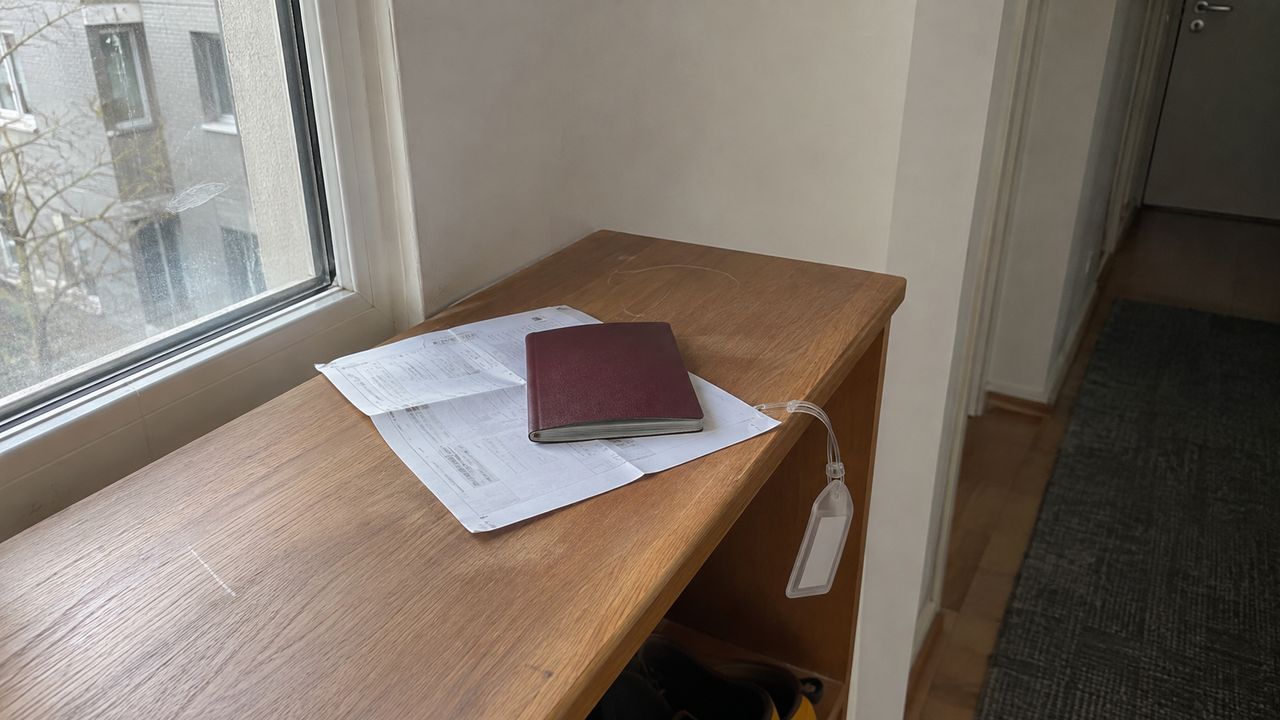
- Entry rules: Check visa-free status and the K-ETA requirement for your own passport, because the rules depend on nationality. Korea's temporary K-ETA exemption for eligible nationalities was reported to run to 31 December 2026, and I couldn't confirm whether it continues after that. If you travel in January or February 2027, check whether you need K-ETA. Use the official K-ETA site (k-eta.go.kr) only.
Common mistakes and how to avoid them
- Booking the ski day next to the Busan transfer. If the snow day is the day before your train, a cancellation leaves you with no fallback. Keep a full free day after the ski day.
- Underestimating exposed viewpoints. Namsan, the cable car, Haedong Yonggungsa and the Busan seafront are much colder than the forecast suggests because of wind. Wear a hat and gloves even when the city feels mild.
- Assuming everything is open. Palaces usually have a weekly closing day. Museums often close on major holidays. Some department stores close on set days each month. Outdoor rides pause in high winds. Seollal closures are the biggest risk, so check official sites for your exact dates.
- Relying on weekday shuttles that may not run. Some resort shuttles may run fewer services midweek or only on set days. Confirm the actual timetable for your date, not the general season page.
- Overdressing for indoors. A single heavy coat with no layers underneath makes trains, malls and cafes uncomfortable. Wear layers you can take off.
FAQ
Is a ski day from Seoul realistic in a 7-day trip? Yes, if you book a shuttle package or a private transfer and accept a long day. Check that your chosen resort is operating in 2026–27, its season dates, and the shuttle timetable for your date. Keep a spare day after it.
KTX or bus from Seoul to Busan? Take the KTX or SRT (from Suseo) if speed matters. Check which Seoul station your KTX leaves from when you book. The express bus is usually the cheaper option and a good backup when trains sell out. Check both timetables on letskorail.com, srail.kr and kobus.co.kr.
Do I need a Korea eSIM or local SIM? It isn't mandatory, but it makes Naver Map or KakaoMap, ride-hailing and translation apps work from the moment you land. Options include eSIMs bought before you leave, physical SIMs at Incheon Airport and portable Wi-Fi routers. Compare current plans on
Will Lunar New Year affect my trip? Possibly. Seollal 2027 is in early February, so confirm the exact holiday dates. If your dates overlap, expect sold-out trains, closed shops and some closed attractions. Restaurants in tourist areas often stay open. Book transport as soon as sales open.
FAQ
Is a ski day from Seoul realistic in a 7-day trip?
Yes, if you book a shuttle package or a private transfer and accept a long day. Check that your chosen resort is operating in 2026–27, its season dates, and the shuttle timetable for your date. Keep a spare day after it.
KTX or bus from Seoul to Busan?
Take the KTX or SRT (from Suseo) if speed matters. Check which Seoul station your KTX leaves from when you book. The express bus is usually the cheaper option and a good backup when trains sell out. Check both timetables on letskorail.com, srail.kr and kobus.co.kr.
Do I need a Korea eSIM or local SIM?
It isn't mandatory, but it makes Naver Map or KakaoMap, ride-hailing and translation apps work from the moment you land. Options include eSIMs bought before you leave, physical SIMs at Incheon Airport and portable Wi-Fi routers. Compare current plans on eSIM providers and check prices for your travel dates.
Will Lunar New Year affect my trip?
Possibly. Seollal 2027 is in early February, so confirm the exact holiday dates. If your dates overlap, expect sold-out trains, closed shops and some closed attractions. Restaurants in tourist areas often stay open. Book transport as soon as sales open.