Short version: Magome and Tsumago are two preserved post towns on the old Nakasendo road in the Kiso Valley. People still live and work in them. In winter, go in daylight and check the bus timetable for your exact date. Don't count on same-day luggage forwarding, because the seasonal service may not run. Keep your voice down, don't photograph residents or into homes, and leave the lanes before dusk.
The rest of this guide covers which town to choose, how to get there in winter 2026–27, what to do with your bags, and how to walk the trail safely when it's icy.
Short answer: which town to pick and why it matters
Magome and Tsumago sit about 8 km apart. They are connected by a restored section of the Nakasendo, the Edo-period highway between Kyoto and Edo (Tokyo). They are in different prefectures:
- Magome-juku belongs to Nakatsugawa City in Gifu Prefecture. Its main street is a steep stone-paved slope lined with rebuilt wooden buildings. It is the easier of the two to reach by bus from Nakatsugawa Station.
- Tsumago-juku belongs to Nagiso Town in Nagano Prefecture. It is flatter, more compact, and quieter once day visitors leave. Residents began a preservation movement in the late 1960s and adopted a well-known charter: "don't sell, don't rent, don't destroy". The town is one of Japan's designated preservation districts for traditional buildings.
Which to choose:
| If you want… | Choose | Why |
|---|---|---|
| A quiet overnight stay in an old-style inn | Tsumago | Smaller, calmer in the evening, flatter street |
| The simplest bus access from a JR station | Magome | Direct bus from Nakatsugawa Station |
| To walk between them | Start in Magome | Most of the walk to Tsumago is downhill after Magome Pass |
Short on time and based in Tokyo? Kawagoe is a much closer day trip. Its Ichibangai street is lined with kurazukuri (clay-walled merchant warehouses). You can reach it on the Tobu Tojo Line from Ikebukuro or the Seibu Shinjuku Line from Seibu-Shinjuku. Check current fares, journey times and attraction hours with the operators before you go. Kawagoe is a busy shopping street rather than a quiet residential lane, so the experience is quite different.
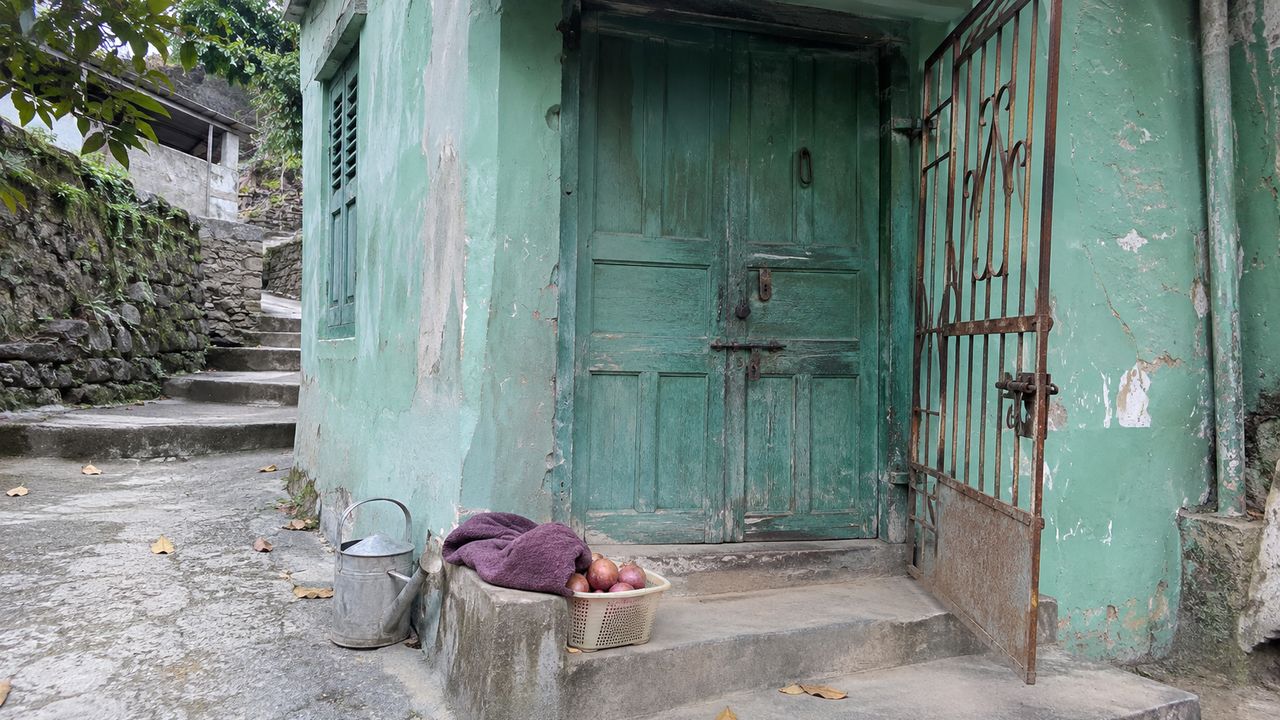
In Magome and Tsumago, the shopfronts and wooden houses are not a museum set. Many are homes, and the families behind the lattice screens are the reason the towns survive.
Etiquette box: how to behave in a residential post town
These are homes. Please:
- Keep your voice low. The lanes are narrow and sound carries. Take extra care early in the morning and in the evening.
- Do not photograph residents or their children. Don't point cameras through open doors, windows or lattice screens into homes. If a shopfront looks like it's also someone's house, ask before photographing it, or skip it.
- Stay off private property. Don't step into entryways, gardens or courtyards unless they are clearly open shops or museums.
- Avoid late evenings. Arrive in daylight and be off the main lanes by dusk. After the shops close, residents are at home and the street is their front yard.
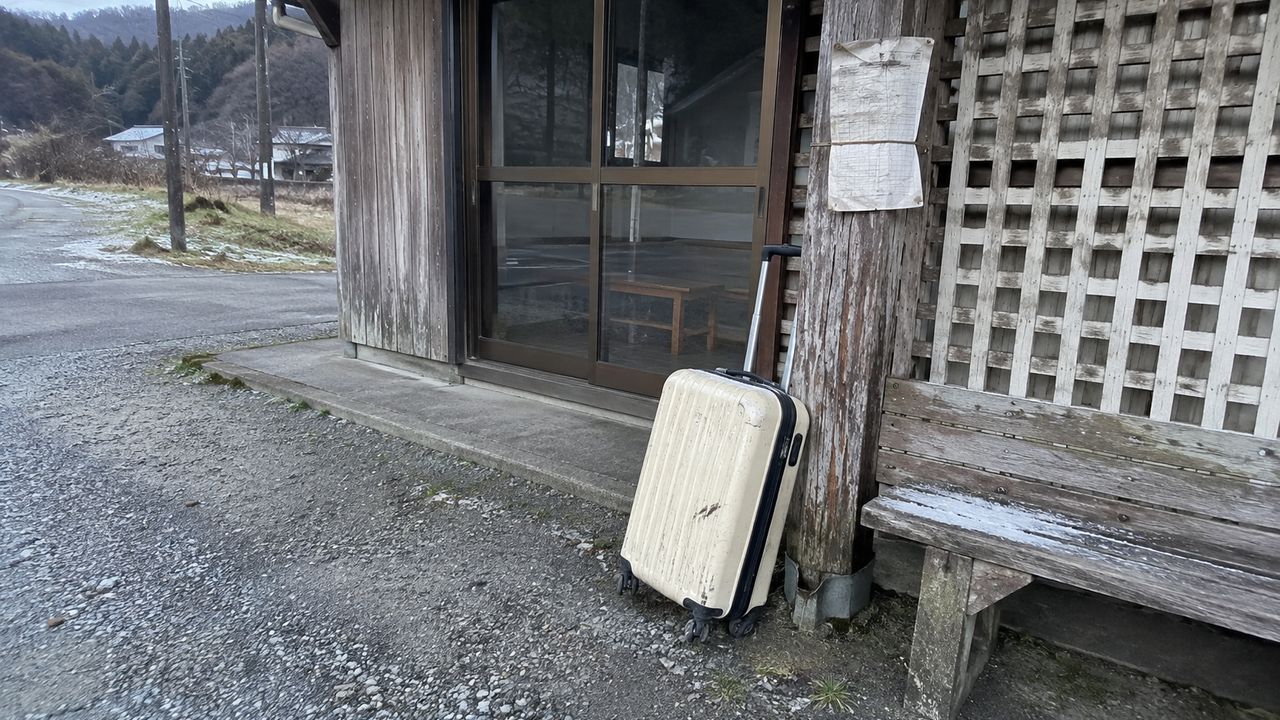
- Keep doorways and driveways clear. Don't stop in front of a doorway with a group or a suitcase. Stay on marked paths and follow local signs.
- Carry your rubbish out. Public bins are scarce in many small Japanese towns. Bring a bag for your own trash.
- Respect vehicle and drone rules. Parts of Tsumago's main street may be restricted to vehicles at certain times. Follow any posted restrictions, and don't fly drones without explicit permission.
This is courtesy guidance, not a summary of official rules. We could not confirm the specific local ordinances, photography or drone rules, or vehicle restriction hours. Before you go, check the Tsumago tourist association and Magome tourist association sites for any notices on photography, filming or group sizes.
Entry fees: walking the streets and the trail is free. A few historic buildings charge admission, such as the Toson Memorial Museum in Magome and the Wakihonjin Okuya in Tsumago. Check current prices and winter opening days with each museum or the tourist information centre.
Getting there in winter: transport options for 2026
Most people travel Tokyo → Nagoya by Shinkansen and then Nagoya → Nakatsugawa (for Magome) or Nagoya → Nagiso (for Tsumago) on the JR Chuo Line. The last leg is a local bus.
Main routes (verify before travel)
| Route | Mode | Approx. time | Winter frequency (2026–27) | Fare |
|---|---|---|---|---|
| Tokyo → Nagoya | Tokaido Shinkansen | Check JR Central | Check JR Central | Check JR Central |
| Nagoya → Nakatsugawa | Limited express Shinano | About 50 min | Check timetable | Fare plus limited express fee; check JR Central |
| Nagoya → Nakatsugawa | Chuo Line rapid/local | Longer than Shinano | Check timetable | Check JR Central |
| Nakatsugawa Stn → Magome | Local bus | About 25 min | Check the timetable for your date; some runs may be weekday- or weekend-only | Reported as about ¥800; confirm |
| Nagoya → Nagiso | Shinano (selected trains stop at Nagiso) or local trains | About an hour by Shinano | Check timetable | Check JR Central |
| Nagiso Stn → Tsumago | Local bus | About 10 min | Check timetable | Reported as about ¥300; confirm |
| Magome ↔ Tsumago | Local bus (via Magome Pass) | About 30 min | Check timetable; may be reduced in winter | Check with the tourist associations |
| Matsumoto → Nagiso | Limited express Shinano | Check timetable | Check timetable | Check JR Central |
We could not reach official winter 2026–27 timetables or fares for these services. Bus times and fares above come from third-party listings. Confirm train times and fares with JR Central. For bus timetables, see the Magome and Tsumago tourist association sites.
Rail passes: the nationwide Japan Rail Pass covers the Shinkansen and the Shinano limited express, but Nozomi trains need a separate supplement. Pass prices have changed in recent years, so check the current pass price and Nozomi supplement on the official JR Pass site. Local buses to Magome and Tsumago are not covered by the JR Pass, so carry cash. We could not confirm whether the buses accept IC cards.
Nagoya or Matsumoto as a base?
- Nagoya is usually the more practical winter base. It has trains to Nakatsugawa, a choice of rapid trains if a limited express is full, and easy Shinkansen connections onward. It suits Magome-first itineraries.
- Matsumoto is closer to the Tsumago end of the valley and works if you're coming from the Japan Alps or heading there next. Its trains run through higher, colder country, so check for weather delays.
Winter bus warnings
- Timetables change by season. Rural bus operators often run fewer services in the low season, and the last departure can be earlier than in summer. Look up the timetable for your exact travel date on the operator's or tourist association's site, not a summary on a third-party blog (including this one).
- Plan around the first and last bus. Write both down. If the last bus out of Tsumago or Magome leaves mid-afternoon, that bus sets your schedule.
- Have a backup. Taxis may be available near Nakatsugawa and Nagiso stations, but there are likely to be few. In bad weather, ask your accommodation or the station to call one for you. Keep enough cash for a taxi fare in case a bus is cancelled due to snow. We could not confirm taxi fares.
Luggage forwarding between Magome and Tsumago
Many visitors walk the trail between the two towns, which takes about 2.5–3 hours. You don't want to haul a suitcase over a mountain pass on stone paving. Same-day luggage forwarding is a separate paid service.
The important winter caveat: the same-day service has been reported as seasonal, running roughly from late March to the end of November and not through winter. We could not confirm the 2026 season or fee with the town offices. If you're visiting between December and mid-March, assume it won't be available unless the Tsumago or Magome tourist information centres confirm otherwise. One guide mentions a separate year-round option, booked in advance. We could only find that in a single source, so ask the centres whether it exists before you count on it.
| Detail | Reported arrangement (verify for 2026) |
|---|---|
| Operator | Tourist information centres in Magome and Tsumago |
| How to book | In person at the tourist information centre on the morning of your walk |
| Drop-off window | Reported as morning only (around 8:30–11:30) at either end |
| Pick-up | Reported as afternoon (around 13:00–17:00) at the other town's centre |
| Fee | Per bag; check the current fee with the centres |
| Season | Reported as late March to end of November only |
If same-day forwarding isn't running:
- Forward your main bag ahead with a nationwide courier. Yamato Transport's TA-Q-BIN (Kuroneko) can be sent from most hotels and convenience stores to your next hotel. Delivery to a rural valley may take longer than to a city, so send it early, confirm the delivery time with the courier, and check that your accommodation will accept it.
- Use station lockers. Nakatsugawa and Nagiso stations may have coin lockers, but we could not confirm availability, and large lockers are likely to be limited. Ask at the tourist information centres whether they can hold bags.
- Pack a day bag. Even when forwarding runs, heavy snow can delay or suspend it. Keep medication, a change of clothes, chargers and your passport with you.
Forwarding to other Nakasendo towns, such as Narai or Kiso-Fukushima, is possible only if the operator confirms that route. Don't assume it.
Winter conditions and safety
The Kiso Valley is mountainous. Magome sits on a hillside and the trail climbs over Magome Pass. Expect:
- Cold, dry days with occasional snow. Snowfall varies a lot from year to year. Check the Japan Meteorological Agency forecast for southern Nagano and eastern Gifu before you go.
- Ice on stone paving. The main risk isn't deep snow but compacted ice on Magome's sloped street and on the stone sections of the trail, especially in shaded forest stretches.
- Short days. In late December and January, sunset in the Nakatsugawa area is in the late afternoon. Look up the exact time for your date. In the valley and forest it gets dark earlier.
Practical rules for a winter walk:
- Check trail status on the day. Ask at the tourist information centre or check the tourist association sites. Sections can be closed after heavy snow or landslides. We could not find official winter 2026–27 trail status notices.
- Wear proper footwear. Use waterproof boots with good tread. Light crampons or slip-on ice cleats are worth carrying.
- Start by mid-morning and aim to finish by mid-afternoon. That leaves a buffer for slow, icy stretches and for catching the last bus.
- Ring the bear bells. Bells hang along the trail. Bears are mostly inactive in deep winter, but sightings have been a growing concern in rural Japan in recent years. Check local notices for any current advisories.
- Expect reduced winter hours. Some cafés, shops, museums and the rest stops along the trail (including the Tateba teahouse) may close earlier, open on fewer days, or close for the season. We could not confirm winter opening. Plan to carry water and a snack.
Where to stay and when to book
In Tsumago and Magome you'll mostly find:
- Ryokan: traditional inns, usually with dinner and breakfast included.
- Minshuku: family-run guesthouses. Rooms are simpler, meals are shared, and they're often in historic buildings.
- A small number of guesthouses and inns on the edges of town or in nearby villages such as Otsumago.
Things to know before booking:
- Dinner times are fixed and often early. Inns typically expect you to check in by late afternoon for dinner. Tell them if your bus or train might be late.
- Not every inn is on booking sites. Some smaller minshuku take reservations only by phone or email. Others close for parts of the winter or on certain weekdays. You could ask the local tourist association whether it can help, but we could not confirm that it offers a booking service.
- Payment may be cash only. Check when you book.
For ryokan and guesthouses that do list online,
If you'd rather stay in a city and visit as a day trip, Nagoya and Matsumoto both have plenty of hotels near the station.
When to book: winter is generally the quiet season. Weekends, the New Year holiday period (around 29 December – 3 January) and three-day weekends still fill up at small inns with only a handful of rooms. Book as early as you can for those dates, and pick a flexible cancellation policy in case snow disrupts your plans.
Quick checklist before you go
- [ ] Bus timetable: confirm the first and last buses for your exact date, for both Nakatsugawa–Magome and Nagiso–Tsumago, plus the Magome–Tsumago link if you need it.
- [ ] Luggage: check whether same-day forwarding is running. If not, send bags ahead by courier early or pack light.
- [ ] Trail and road status: check on the morning of your walk, along with the weather forecast.
- [ ] Etiquette: reread the etiquette box. Plan to arrive in daylight and leave the lanes before dusk.
- [ ] Footwear: pack waterproof boots and ice cleats.
- [ ] Cash: carry enough for buses, small shops, museum entry, a possible taxi and cash-only inns. Don't assume cards or IC cards are accepted.
- [ ] Data: mobile data helps for live timetable checks and trail notices, and coverage outside the towns can be patchy. An eSIM set up before you arrive saves time: Check pricesAiralo eSIM →Some links may be affiliate links. Disclosure.
- [ ] Accommodation: reconfirm your check-in time and tell your inn if you'll miss the usual dinner time.
This guide covers winter 2026–27. Where a figure could not be confirmed against an official source, we have said so or left it out. Bus timetables, fees and seasonal services in rural Japan change often. Always confirm with the operator before you travel.
FAQ
Can I forward my luggage between Magome and Tsumago in winter?
Same-day forwarding has been reported as running only from late March to the end of November, so it is likely unavailable from December to mid-March. Confirm with the Magome or Tsumago tourist information centre before you go. If it isn't running, send bags by a nationwide courier early or pack a day bag.
Can I photograph the streets in Magome and Tsumago?
Many buildings are private homes, so don't photograph residents, children, or into homes through doors, windows or lattice screens. Ask before photographing a shopfront that may also be a house, or skip it. Check the local tourist association sites for current photography, filming and drone notices.
Are the local buses to Magome and Tsumago covered by the JR Pass?
No. The local buses are not covered by the Japan Rail Pass, so carry cash. The JR Pass covers the Shinkansen and the Shinano limited express, but check current pass prices and the Nozomi supplement on the official site.