You can link three of central Seoul's hillside neighborhoods in one unhurried half day. Start at Ihwa Mural Village, climb to Naksan Park along the old city wall, and finish in the quiet lanes of Jangsu Village on the other side of the wall. Go in daylight and keep your voice down. Remember that every staircase and doorway you pass belongs to someone who lives there.
This guide covers the route, the history behind the murals, the etiquette that matters most, and where to eat afterward.
The short answer: how to do it well in half a day
- When: Late morning to late afternoon. Aim to leave the residential lanes before evening, when residents are home and resting and the narrow steps get dark.
- How: Treat every lane as someone's home. Keep voices low. Don't photograph residents, doorways, interiors or children, and don't block steps or gates.
- Route: Hyehwa Station → Ihwa Mural Village → Naksan Park → along the city wall → Jangsu Village → Hansung University Station (or back to Hyehwa).
- Time: About 3 to 3.5 hours at a relaxed pace with stops.
- Bring: Comfortable shoes with grip, water, and a phone with a working map app. Naver Map or KakaoMap work far better than Google Maps for walking directions in Korea.
| Quick facts (2026) | |
|---|---|
| Start | Hyehwa Station, Line 4 |
| Finish | Hansung University Station, Line 4, or back to Hyehwa |
| Distance | Roughly 3–4 km (my estimate; check your map app) |
| Cost | The lanes are free to walk; check official pages for any park or museum admission, plus transport and food |
| Difficulty | Moderate; many stairs and steep slopes |
| Best seasons | Spring and autumn |
Why these are called moon villages (dal-dongne) and what they are
Dal-dongne (달동네) means "moon village." The usual explanation is that these neighborhoods sit so high on the hillsides that residents seem closer to the moon, or have an unobstructed view of it.
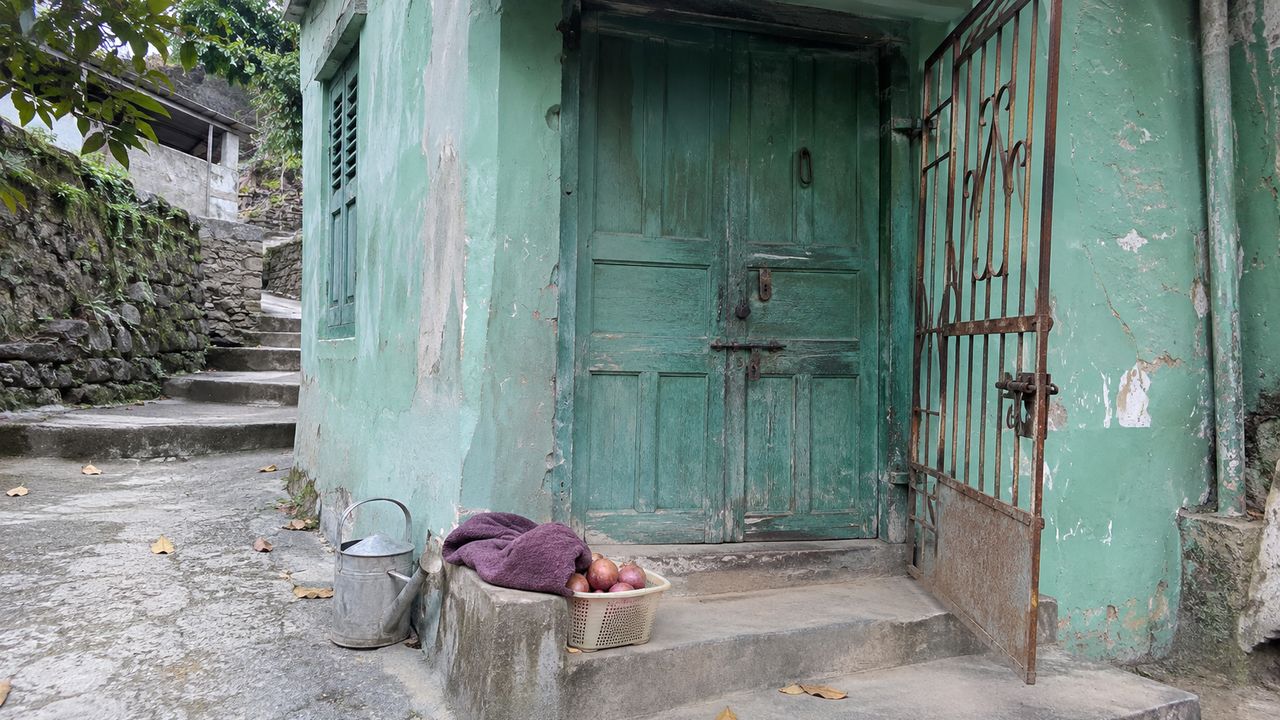
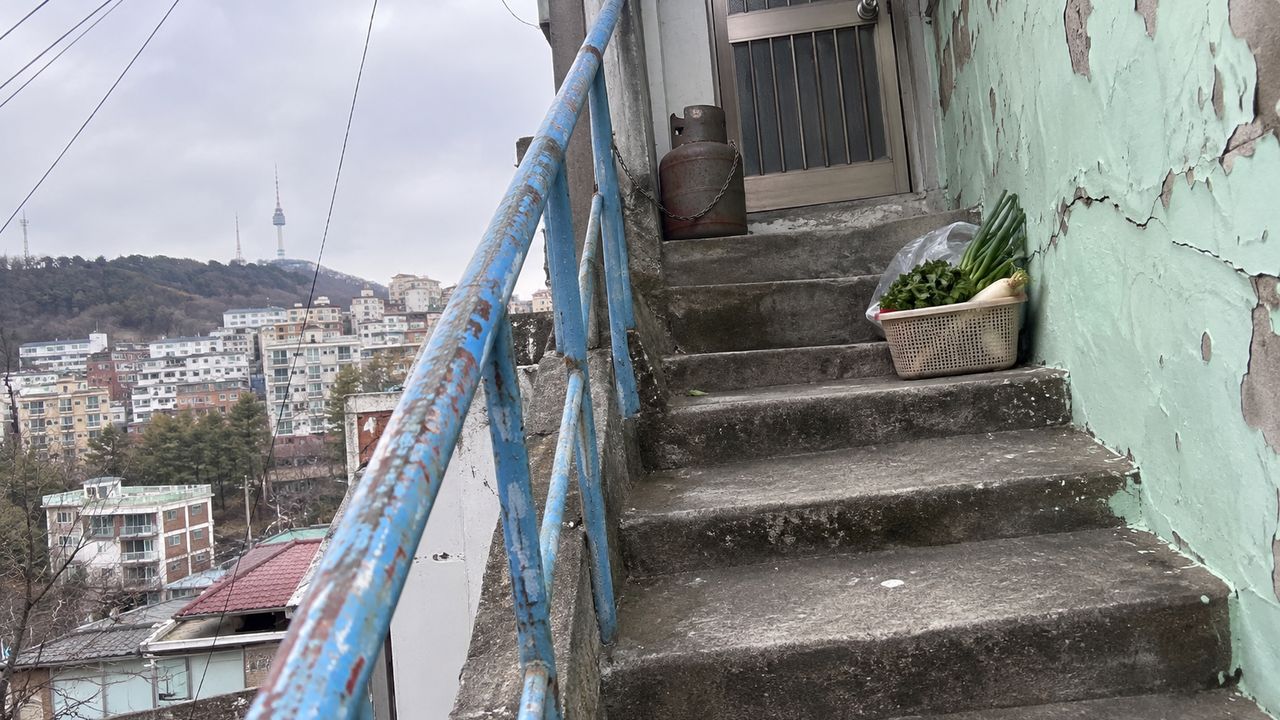
Many of Seoul's dal-dongne grew in the decades after the Korean War. Refugees, rural migrants and low-income workers built homes wherever they could find space, often on steep slopes that formal development had passed over. The result is a recognizable pattern:
- Small, tightly packed houses stepping up the hill
- Narrow alleys and long concrete staircases instead of roads
- Limited vehicle access, so residents carry groceries, gas canisters and shopping up by hand
- Views across the city that would cost a fortune in a modern apartment tower
Most of Seoul's moon villages were demolished and replaced by apartment complexes during the city's rapid redevelopment. The ones that remain, including the areas on this route, are living residential neighborhoods, and many residents are elderly. They were not built for visitors. Ihwa and Jangsu became known to tourists because of art and regeneration projects, but daily life continues there: steep stairs, small homes and neighbors who know each other.
Keep that in mind and the etiquette below will feel obvious.
A brief history: why the murals appeared and why some were removed
The mural project
Ihwa's murals began with a public art project on the slopes of Naksan. The "Ihwa-dong Naksan Project" was run in 2006 by the Ministry of Culture, Sports and Tourism as part of its "Art in the City" campaign. Around 70 artists painted murals and made installations around the neighborhood. The aim was to brighten an aging area and draw attention to it.
The project worked, arguably too well. Ihwa became a photo destination, and its staircase murals appeared on Korean television and social media. Busy weekends brought large crowds into lanes designed for a few neighbors at a time.
The tension with residents
Residents complained about noise, litter, people peering or walking into private spaces, and photography of their homes and of themselves. Some residents also felt that local businesses benefited from the tourism while homeowners carried the costs.
In May 2016 the tension spilled over. The Korea Times reported that five residents had covered some murals with gray paint because they could not bear the noise and disturbance. Police booked them, without detention, for defacing two murals near their homes. Three of them were suspected of pouring gray paint on a concrete staircase painted with sunflowers. The same report mentions a sign aimed at visitors. I could not confirm the full wording of any resident signage, or whether similar signs are posted today.
What this means for you
Murals are not permanent, and Ihwa is not a fixed gallery. Works have faded, been repainted, been replaced or been removed since the project began. Photos you have seen online may show art that no longer exists, and I could not confirm which works remain today.
Go for the views, the atmosphere and the history of a hillside neighborhood. Don't go expecting to tick off specific murals.
Jangsu Village has a different story. It is a hillside settlement beside the city wall, founded in the 1950s by post-war refugees. Seoul chose to repair and preserve it rather than demolish it. In 2012 the city formalized a resident-led regeneration model there. Some murals were added during that process, and Jangsu is the quietest stop on the route.
Suggested half-day walking route
The walking times below are my own estimates that assume stops for views, photos of the scenery and catching your breath on the stairs. Treat this as a stroll, not a race.
| Leg | What you'll see | Approx. time (estimate) |
|---|---|---|
| Hyehwa Station → Ihwa Mural Village | Daehangno theater district, Marronnier Park, then the climb begins | 10–15 min |
| Ihwa Mural Village lanes | Main mural lanes, small cafés, rooftop views | 45–60 min |
| Ihwa → Naksan Park | Short climb to the park and the city wall | 10–15 min |
| Naksan Park & city wall | Wall-top views over northeastern Seoul | 30 min |
| Along the wall → Jangsu Village | Wall trail, then through a wall gate to the outer side | 20–30 min |
| Jangsu Village | Quiet residential lanes beside the wall | 20–30 min |
| Jangsu → Hansung University Station | Downhill walk to the subway | About 15 min |
| Total | About 3–3.5 hours |
1. Ihwa Mural Village
From Hyehwa Station, walk east through the Daehangno area past Marronnier Park and follow signs uphill toward Ihwa-dong. I could not confirm which station exit is best, so check your map app.
Stick to the main mural lanes and the routes that are signposted or obviously public. Many side staircases lead only to front doors. If a path narrows to a single doorstep, turn back. Don't sit on residential steps, and if you stop to take in a view, step to the side so you don't block anyone.
2. Naksan Park and the city wall
Continue uphill to Naksan Park, where a preserved section of the Seoul City Wall (Hanyangdoseong) runs along the ridge. The park is a public space and a good place for a longer rest. It has benches and wide paths, and it is the best spot on the route for skyline photos. I could not find official 2026 hours or admission details for the park, so check the Seoul parks site before you go.
A Stripes Korea guide describes the Naksan section of the wall as about 2.1 km long. That is a secondary source, and wall trail sections are sometimes closed for repair or restoration. Check the trail status and opening times before you go on the Seoul City Wall official pages or Visit Seoul. I could not confirm the 2026 status of the Naksan section.
3. Jangsu Village
Follow the wall north toward Hyehwamun. Look for a gate in the wall that leads to its outer side, where Jangsu Village sits along the slope. I could not verify the gate's exact location or that it is open, so confirm both on your map app. Note that Jangsu is in Seongbuk-gu, not Jongno-gu, so local rules and signage may differ.
Jangsu is small and very residential. Keep the visit short, walk the main lane, and leave the side alleys alone. From here, head downhill to Hansung University Station, or retrace the wall back toward Hyehwa.
Alternative start: If you're coming from the south, begin at Dongdaemun Station and walk north along the wall from Heunginjimun Gate. This approach passes Dongdaemun Seonggwak Park and the Seoul City Wall Museum, then reaches Ihwa from below. It adds a longer uphill stretch. I could not confirm the museum's current hours or admission, so check its official page for hours and closing day before you plan a visit.
Etiquette for residents: what to do and what not to do
These neighborhoods are homes first. A few simple habits make a real difference to the people who live here.
Do
- Keep voices low throughout, and especially in the early morning and evening.
- Ask before photographing any person, and accept a "no" or a wave of the hand.
- Step aside for residents, particularly anyone carrying groceries or bags or using a walking aid. On narrow stairs, wait at the top or bottom.
- Take your litter with you. Public bins are scarce in residential lanes.
- Keep to the walking lanes and the obvious public routes.
- Support local businesses if you want to rest: a coffee or snack in a neighborhood café beats sitting on someone's steps.
Don't
- Don't photograph residents, children, doorways, windows, interiors or private gardens. Point your camera at the views and public art, not into people's homes.
- Don't enter gardens or courtyards, or open gates, even if they're ajar.
- Don't sit on residential steps or walls, or block gates and stairways for photos.
- Don't visit late in the evening. Residents are resting, and the lanes are dark, steep and narrow.
- Don't fly drones over homes. Filming over people's houses is intrusive, and Seoul has restricted airspace in places. I did not verify the rules for this area, so check current regulations before flying anywhere in the city.
- Don't climb walls, fences or rooftops for a better angle. That includes the historic city wall.
Some Seoul neighborhoods now have formal visitor rules. Bukchon Hanok Village, for example, introduced restricted visiting hours in parts of the area. I could not confirm any formal rules or restricted hours from the Jongno-gu or Seongbuk-gu offices at Ihwa or Jangsu for 2026. Follow any signs you see, even where no formal rule exists.
A note on Naksan at sunset: Naksan Park is popular for sunset and night views of the wall. If you stay late, first confirm the park and wall path are open after dark. Return to the station by the main roads or the wall path. Avoid cutting back down through the residential lanes after dark.
Local eats nearby
These suggestions are general food types and well-known areas, not reviews. I did not verify any individual venue's hours or current status. Opening hours and closing days change often, so check Naver Map or KakaoMap on the day.
| Area | What to look for | Notes |
|---|---|---|
| Ihwa village | Small cafés and snack spots along the main lanes | Good for a rest stop; hours vary, so check before you climb |
| Daehangno / Hyehwa | Casual Korean restaurants: kalguksu (knife-cut noodles), gimbap, jjigae (stews), plus many cafés | Busy student and theater area with lots of choice and budget-friendly prices |
| Daehangno | Long-running traditional cafés, such as Hakrim Dabang | I could not confirm its current status or hours; check before you go |
| Dongdaemun / Jongno 5-ga | Dakhanmari alley: whole-chicken soup shared at the table | In the Dongdaemun / Jongno 5-ga area; I could not confirm current status, so check the exact location on your map app |
| Gwangjang Market (Jongno 5-ga) | Bindaetteok (mung bean pancakes), mayak gimbap, market stalls | A short subway hop or longer walk from the route; crowded at peak times |
You'll find more options in Daehangno at the start or end of the walk than near Jangsu Village, which has very few.
Getting there and practical details
Subway access
| Station | Line(s) | Use for | Walk to nearest point (my estimate) |
|---|---|---|---|
| Hyehwa | Line 4 | Ihwa Mural Village (main start) | 10–15 min to Ihwa |
| Dongdaemun | Lines 1 & 4 | Southern start via Heunginjimun and the wall | 15–20 min uphill to Ihwa |
| Hansung University | Line 4 | Jangsu Village (finish) | About 15 min |
Fares
| Fare type | Price | Notes |
|---|---|---|
| Subway, basic adult fare (transport card) | About ₩1,550 | Extra charge for longer distances |
| City bus, adult (card) | Check current fare | I could not confirm the 2026 base fare; see Visit Seoul or the Seoul city transport site |
Confirm fares on the Seoul Metro or Visit Seoul websites before you travel. A rechargeable transport card such as T-money, available at convenience stores, is the easiest way to pay. Seoul also offers a Climate Card tourist pass with unlimited subway and city bus rides for 1 to 7 days. Check current prices and whether it suits your trip length.
Accessibility
This route is not wheelchair or stroller friendly. Expect long staircases, steep slopes, uneven surfaces and narrow lanes. Naksan Park itself has some gentler paths. Ihwa and Jangsu, however, are essentially stairs.
Seasons and weather
- Spring (April–May) and autumn (October–November): The most comfortable walking weather. Autumn foliage along the wall is typically at its best in early to mid November, though timing varies by year.
- Summer (late June–August): Hot and humid, with the monsoon (jangma) usually in late June and July. Slopes get slippery in rain, and the climb is tiring in the heat.
- Winter (December–February): Stairs can ice over, so go only with good footwear and avoid the route after snowfall.
Connectivity, tours and where to stay
- You'll rely on a map app to find the wall gate and the station at the end, so working mobile data helps. A travel eSIM is a simple option: Check pricesAiralo eSIM →Some links may be affiliate links. Disclosure.
- If you'd prefer context from a guide, look for walking tours that cover the city wall and Naksan. Seoul's city government has also run free volunteer-guided walking tours in the past, but I could not confirm 2026 availability or prices, so check Visit Seoul. Commercial options: Check pricesKlook →Some links may be affiliate links. Disclosure.
- Staying nearby: Hyehwa/Daehangno and Dongdaemun both have good subway links and plenty of food, which makes them practical bases for this walk: Check pricesAgoda →Some links may be affiliate links. Disclosure.
Before you go: a quick checklist
- Check that the Naksan section of the city wall trail is open.
- Check opening times for any café or restaurant you plan to visit.
- Wear shoes with good grip.
- Plan to leave the residential lanes before evening.
- Pack a bag for your litter.
- Keep your camera on the views, not on people or homes.
FAQ
How long does the Ihwa, Naksan and Jangsu walk take?
About 3 to 3.5 hours at a relaxed pace with stops, starting at Hyehwa Station and finishing at Hansung University Station or back at Hyehwa. These times are estimates that assume breaks for views and rest on the stairs.
Can I photograph the murals and houses in Ihwa and Jangsu?
You can photograph public art and views, but do not photograph residents, children, doorways, windows or interiors. Ask before photographing any person and accept a no gracefully. These are living residential neighborhoods.
Is the route wheelchair or stroller friendly?
No. The route has long staircases, steep slopes, uneven surfaces and narrow lanes. Naksan Park has some gentler paths, but Ihwa and Jangsu are essentially stairs.